

Cardamom occupies a prominent place among the most highly valued spices in the world of professional tea. Demand for it has continued to grow thanks to its versatility, unique aromatic profile and ability to transform any blend of tea, infusions and spices.
Throughout this guide, we will explore its origin, botanical characteristics, most commonly used varieties, flavour, and applications in blends.
What is cardamom?

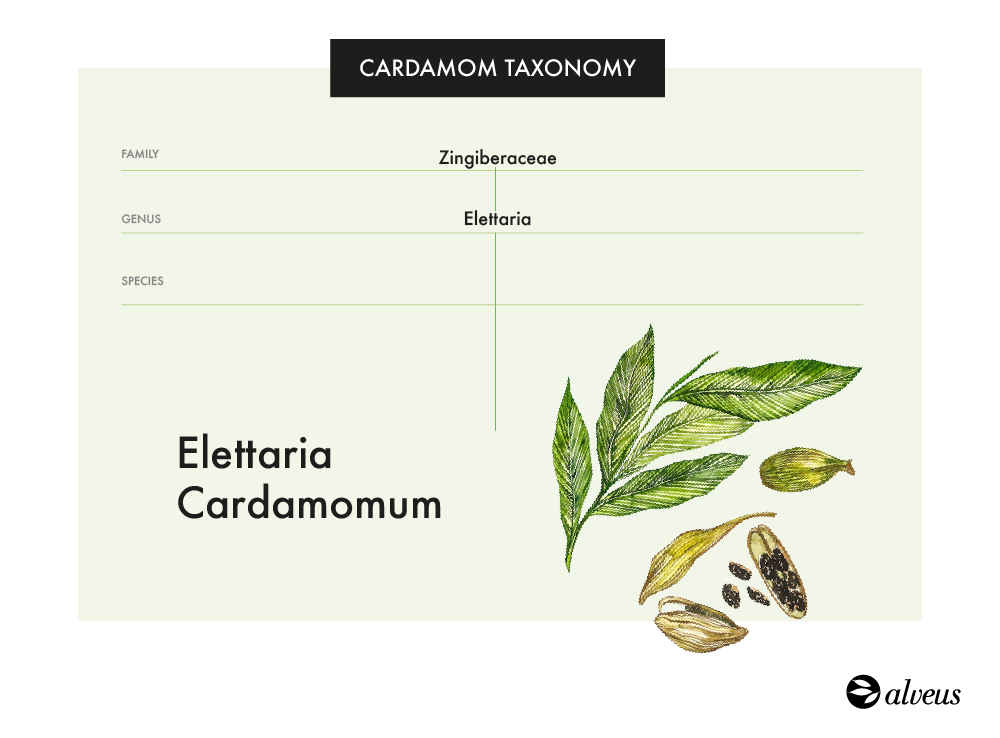
Cardamom (Elettaria cardamomum) is an aromatic spice with a distinctive aroma and flavour that has made it an indispensable ingredient in both gastronomy and the tea and infusion industry.
It is obtained from the capsules or pods of plants of the genera Elettaria and Amomum, belonging to the Zingiberaceae family, which also includes ginger and turmeric.
Its fresh, warm and slightly citrusy sensory profile has made it a hallmark of traditional blends and continues to inspire creativity in modern tea formulations and gourmet blends.
Background, origin and historical evolution
Cardamom originates from the humid forests of southern India, especially the Western Ghats, and Sri Lanka, regions characterised by their biodiversity and unique climatic conditions.
From these territories, the spice began to travel along ancient trade routes, first reaching Burma and Southeast Asia, and later the Middle East and Europe.
During the Middle Ages, cardamom became a driving force in the spice trade, travelling along Arab routes to Europe, where it was soon incorporated into pastries, spiced breads and hot drinks.
Cardamom in Ayurveda
Cardamom has been a central ingredient in Ayurveda, traditional Indian medicine, for thousands of years. It was valued for its versatility in infusions, spiced drinks and ritual preparations.
In this context, Ayurvedic cardamom was incorporated into traditional functional formulas to enhance aromas, balance blends, provide digestive benefits and add sensory nuances.
Botanical characteristics of cardamom
Cardamom is a perennial plant of the Zingiberaceae family, which grows in dense clusters and develops strong rhizomes that support its stems and leaves. It is a plant that is cultivated in humid tropical climates, with partial shade and rich soils, conditions that help its seeds develop their characteristic aroma.
Some of its most notable characteristics are:
- Leaves: long, lanceolate, green and aromatic.
- Flowers: hermaphroditic, greenish in colour with white and purple details.
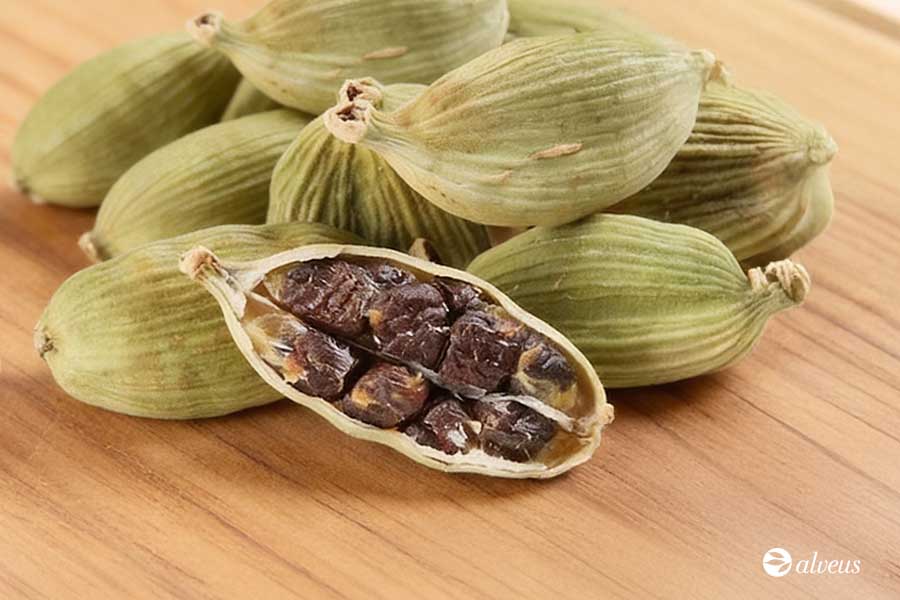
- Fruit: 1-2 cm trilocular capsule containing between 10 and 20 cardamom seeds, responsible for the intense aroma.
The cardamom production cycle is relatively long, as the plant takes around three years to produce quality fruit. This combination of slow growth, manual harvesting and botanical characteristics contributes to its exclusivity and value in the market.
Phytochemical composition and active ingredients
Cardamom owes its unique aroma to a complex mixture of compounds present in its seeds. The most notable are essential oils, including 1,8-cineole (eucalyptol), terpinyl acetate, linalool, limonene and sabinene.
The proportion of these compounds can vary depending on the species, the region where it is grown, the time of harvest and the drying method, which influences the final aroma and flavour when used in teas and infusions.
In addition, cardamom contains flavonoids, sterols, and saponins, which add complexity and additional aromatic nuances.
Current cardamom production
Currently, the main producing regions include India, Guatemala, Sri Lanka, Tanzania, and Vietnam, although each area contributes different nuances to the final product.
In India, crops from the Western Ghats produce cardamom with a fresh, resinous aroma, while in Guatemala, where cultivation has been industrialised, the pods tend to be larger and more uniform, with an intense and stable aromatic profile.
Cardamom production requires highly manual processes, which means that each batch reflects both the geography and the care of the producer.
Types of cardamom
In the professional market, the most relevant types of cardamom are:
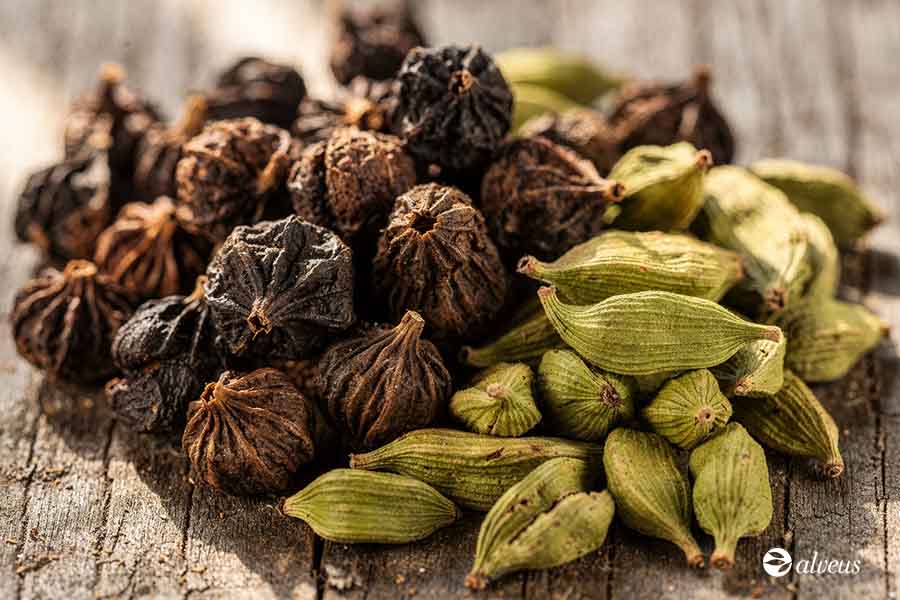
Green cardamom (Elettaria cardamomum)
- Origin and cultivation: It is mainly found in the humid forests of southern India (especially Kerala and Karnataka) and Sri Lanka. Its cultivation requires partial shade, rich soils and constant humidity.
- Aromatic profile: Fresh, floral and slightly citrusy, with a resinous-sweet sensation that makes it very versatile in teas and aromatic blends.
- Professional use: It is the most widely used variety in the tea industry thanks to its intense and persistent aroma.
Black cardamom (Amomum subulatum)
- Origin and cultivation: It is mainly cultivated in Nepal, northern India and Bhutan. It requires higher altitudes and slightly cooler climates than green cardamom.
- Aromatic profile: More robust, with smoky and earthy notes. Its deep character makes it ideal for dark blends or North Indian-style infusions, where it adds body and complexity.
- Professional use: Although less common in conventional teas, it is highly prized in gourmet offerings, strong infusions or blends seeking an intense spicy nuance.
Other varieties
There are natural hybrids and local varieties, such as vazhuka in Kerala, which combine characteristics of the green and black types. These plants offer intermediate aromatic profiles; their production is more limited, and they are usually found in specialised markets or as part of premium selections for tea brands.
Which parts of cardamom are used, and why
The different parts of cardamom are used according to the desired aromatic and sensory effect in the blend:
- Whole pod or capsule: protects the seeds and allows the aroma to be released gradually during infusion, offering a more complete aromatic experience.
- Seeds: these are the part most concentrated in aromatic compounds and flavour. They provide maximum intensity and a more direct and persistent profile than the whole pod, and are especially useful when a strong aromatic profile is desired.
- Shell: although not as potent as the seeds, it can offer vegetal and mild notes, ideal for light infusions.
Traditional uses and current applications
Traditionally, cardamom was used to enhance flavours and add freshness to food and drink. It was also part of culinary rituals and Ayurvedic medicine, where it was valued for its balancing effect on sweet and savoury flavours and its ability to accompany heavy meals according to tradition.
In today’s professional world, cardamom has established itself as a strategic ingredient for businesses seeking to differentiate their products. Some of its current applications are as follows:
- It is a key ingredient in black and green teas and premium blends, adding character and aromatic complexity.
- It is incorporated into functional infusions, Ayurvedic teas and digestive products due to its attributed digestive properties.
- In gastronomy, its fresh and warm aroma enhances sweets, breads, biscuits, curries, rice dishes and stews, and forms part of spice blends and modern culinary innovations.
- It is used in gourmet and artisanal products, innovative beverages and organic lines, where its historical prestige adds brand value.
- Even its aroma is used in perfumery and modern gastronomy, reinforcing its versatility.
Classic blends with cardamom
Cardamom plays a leading role in numerous blends that are now part of the essential repertoire of the tea and herbal tea sector. Its recognisable and versatile aromatic profile makes it a key spice in traditional recipes and contemporary formulations.
Masala chai
Masala chai is undoubtedly the most iconic blend associated with cardamom. In this formulation, green cardamom acts as an aromatic axis, adding freshness and balance to warmer spices.
Its correct integration defines the character of the blend and is crucial to achieving a harmonious and well-structured mixture.
Spiced black teas
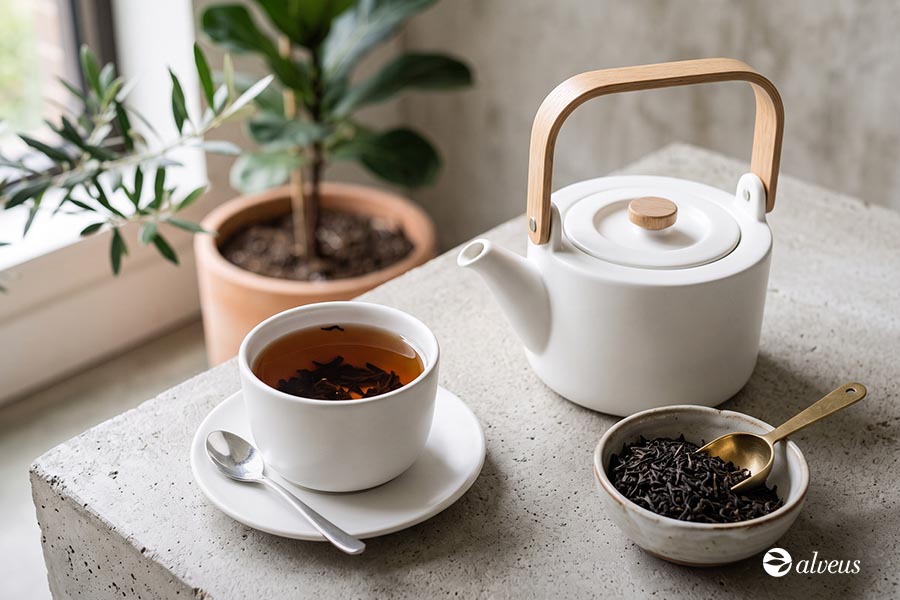
In black tea blends, cardamom reinforces the aromatic depth and adds an elegant and recognisable note, much appreciated in classic and winter blends.
Flavoured green teas
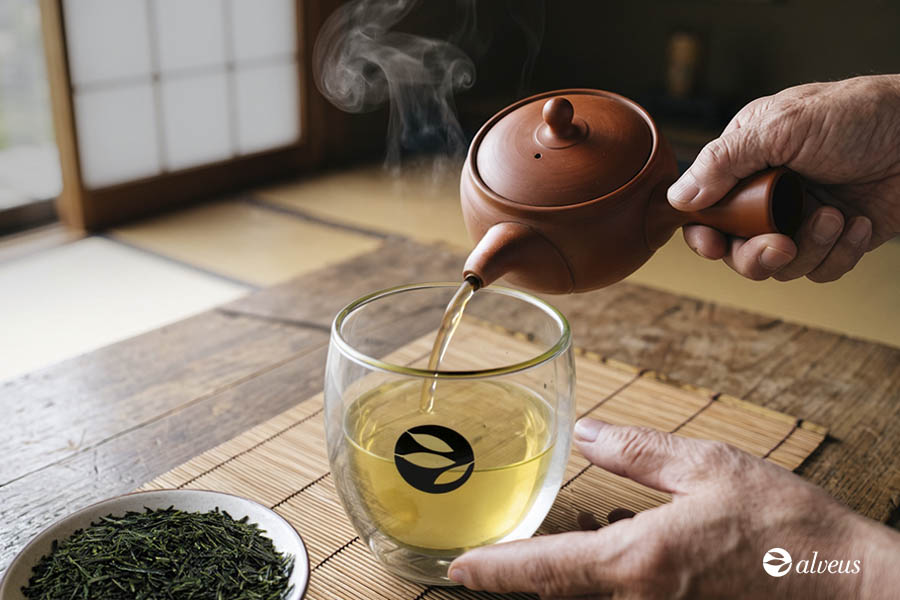
In green teas, it is used to introduce contrast and complexity without overshadowing the base, especially in combinations with citrus or mild botanical ingredients.
Warm herbal infusions
Cardamom adds warmth and structure to caffeine-free infusions, enhancing the aromatic profile of herbal blends intended for daily consumption.
Regionally inspired blends
From Arabic blends to Scandinavian formulations, cardamom is used to impart cultural identity and a distinctive aromatic character.
Gourmet fruit teas
In fruit blends, it acts as a base note that balances and elevates the whole, adding complexity without dominating the blend.
Discover all our tea blends, infusions and spices containing cardamom among their ingredients at this link to our B2B for professionals. Or, our organic bulk cardamom, available for wholesale purchases.
Cardamom as a strategic tool in the professional catalogue
Cardamom is not only an aromatic spice, but also a genuine formulation tool for tea brands and professionals. Its history, sensory complexity and versatility make it an ingredient capable of bringing identity, consistency and added value to any collection of teas, infusions or spice blends.
When used judiciously, cardamom allows you to develop blends that connect tradition and modernity, respond to consumer trends towards natural and premium products, and differentiate your offering in an increasingly demanding market. For businesses seeking quality, consistency and aromatic personality, a deep understanding of this spice is a real competitive advantage.