

Fennel has a very elegant way of making its presence felt. Its clean, slightly sweet, aniseed-like aroma makes it one of those ingredients that enhances a blend without stealing the limelight from the other ingredients.
Whether in a tea or herbal tea blend or as a seasoning, fennel can add character, depth and a very distinctive aromatic quality.
It is no coincidence that it features in breads, fish, pickles, sausages, traditional blends and mild herbal teas.
What is fennel, and why is it still so interesting
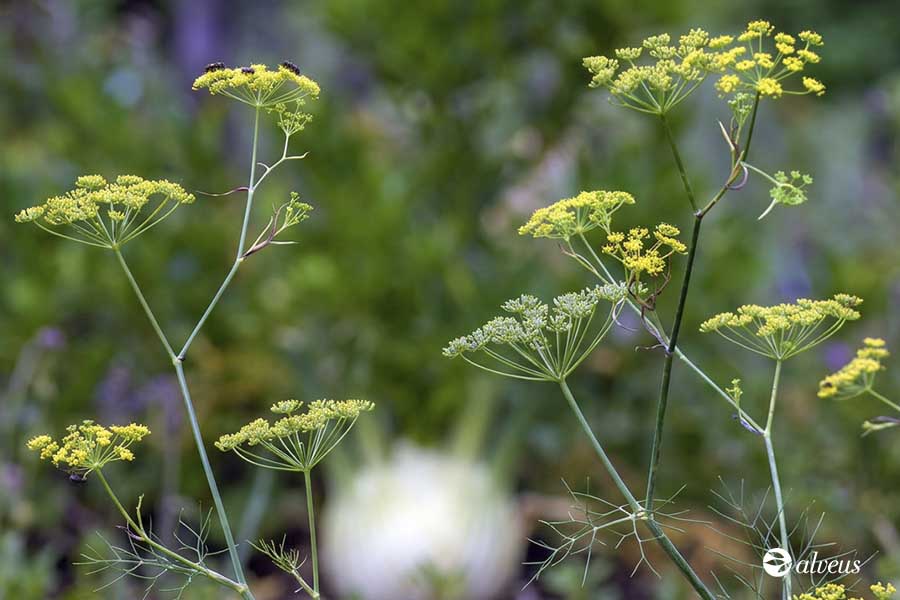
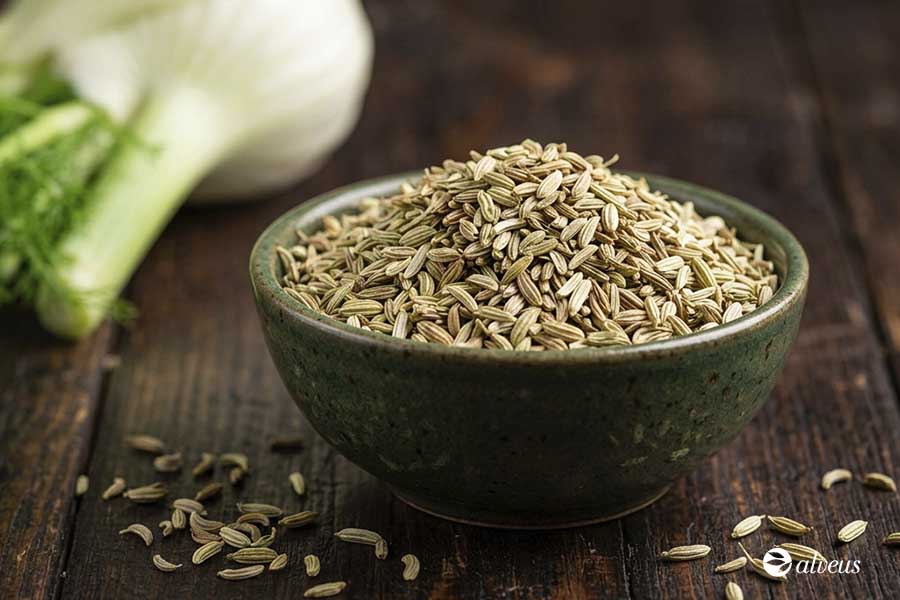
Fennel, Foeniculum vulgare, is a perennial aromatic plant 1–2 metres tall, native to the Mediterranean. It belongs to the Apiaceae family, has straight stems, needle-shaped leaves and yellow flowers arranged in umbels. The fruit is oval-shaped and striated.
It has been used for centuries in cooking and traditional preparations, and one of the key aspects of its character lies in its aniseed flavour profile, linked above all to anethole, which is particularly concentrated in the seed.
From a sensory perspective, fennel offers a very appealing blend of freshness, warmth, and sweetness. This combination explains why it works equally well in a mild context, such as a herbal infusion, and in a more intense setting, such as a spice blend for meats, vegetables, or breads. In other words, it is a versatile and commercially very rewarding ingredient.
Furthermore, fennel offers a significant advantage for your business. It is a traditionally used ingredient, making it instantly recognisable to the end consumer. It doesn’t require much explanation, but it does allow you to tell a story, and that always helps to boost sales.
What does fennel taste like, and what does its flavour bring to a dish?
To describe fennel simply as ‘aniseed-like’ is an understatement. Yes, that is the dominant note, but other nuances around it explain its value in blends.
Firstly, it brings freshness. Not a minty freshness, but a clean, bright sensation that opens up the overall aroma. Secondly, it adds natural sweetness. And finally, it leaves a gentle warmth that rounds off the finish.
That is why it works so well with seemingly different flavour profiles:
– With fish, it is elegant.
– With pork, it adds depth.
– In breads and pastries, it leaves a very comforting aromatic impression.
– In spiced blends, it blends beautifully with cumin, coriander, fenugreek, cinnamon, or pepper.
– In infusions, its gentle profile allows it to be combined with herbal, citrus or spicy ingredients and helps create a balanced cup.
Traditional uses of fennel
For a long time, fennel has held a special place in both the kitchen and after-dinner customs.
On the one hand, its seeds, with a naturally sweet flavour and a fresh, light profile, have been used to make sauces for fish and mushrooms. They have also traditionally been used in various countries as a popular choice after meals.
In many parts of the Mediterranean, they are prepared as an infusion, by steeping the seeds in hot water to produce a mild, aromatic and pleasant drink to follow hearty or strongly flavoured dishes.
In India, it is customary to eat the seeds at the end of a meal, sometimes lightly toasted and at other times in sweet mixtures such as mukhwas, where, as well as providing a refreshing sensation in the mouth, they form part of a small gesture to round off the meal.
They also feature in simple home-made preparations, combined with mint, honey or even hot milk, as part of a popular tradition linked to comfort and everyday life.
Fennel in tea blends, herbal infusions and spice mixes
Fennel seeds are one of the most commonly used ingredients in tea blends and herbal infusions, as well as in spice mixes. Let’s look below at how it is used and what it contributes in each case.
When fennel is used whole in tea blends or herbal infusions
In tea and herbal infusion blends, whole fennel has several advantages. The first is visual. The seed adds texture and gives the blend a more natural appearance, which is significant in loose-leaf sales.
The second is aromatic. The fennel releases its flavour profile more gradually. It does not dominate the blend from the outset, but rather complements it. This results in more balanced cups, where the aroma builds gradually and leaves a well-rounded, warm and comforting sensation.
The third advantage is technical. The whole ingredient holds up well in the blend, maintains its physical presence better and helps the blend retain a neat appearance. In an infusion, it adds a penetrating yet gentle aniseed note, highly recognisable and soothing to the senses.
Where does it work particularly well? In herbal blends with a digestive or after-dinner profile, in compositions with a Mediterranean flavour, in spiced infusions for the colder months, and in blends where a sweet, fresh and easily recognisable aromatic centre is sought.
In terms of pairing, it combines very well with aniseed, mint, lemon balm, citrus peel, chamomile or liquorice, provided the overall intensity of the blend is carefully monitored.
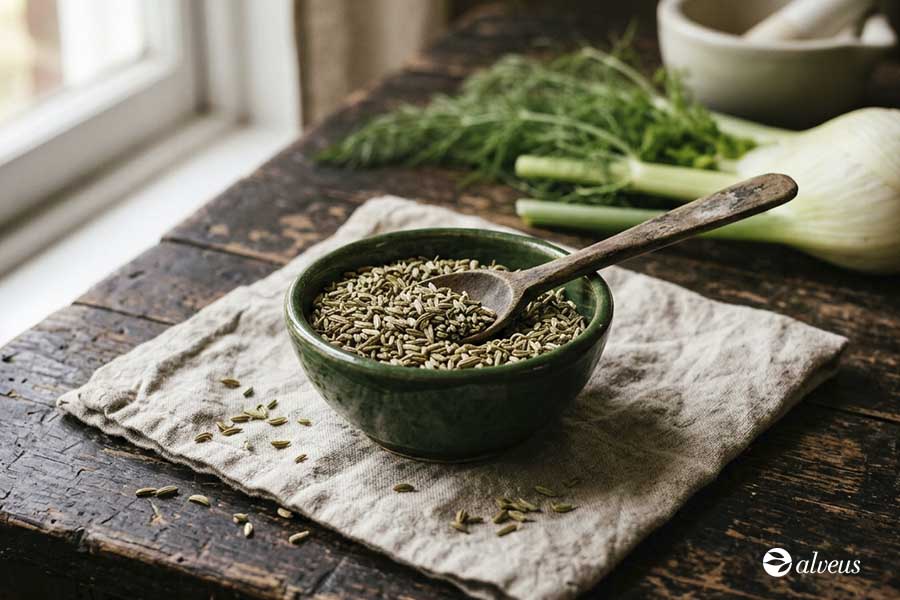
Alveus organic fennel seeds, product code 82576
When fennel is used, ground in spice blends
In spice blends, ground fennel plays a different role. Here, the focus is less on the visual appeal of the ingredient and more on its ability to blend in and build depth.
When ground, fennel is distributed evenly throughout the blend. This allows its aniseed profile to blend more seamlessly with the other spices. It adds a spicy sweetness, a rounded warmth and a slightly liqueur-like nuance that helps harmonise the blend.
It is particularly useful when you want to soften harsh edges. In a blend with cumin, coriander or fenugreek, fennel can reduce the dry or earthy sensation and bring greater smoothness to the nose and palate. In meat rubs, vegetable seasonings, sausage mixes or baking bases, it offers depth without making the whole mixture harsh.
Culinary uses of fennel to help you sell it better
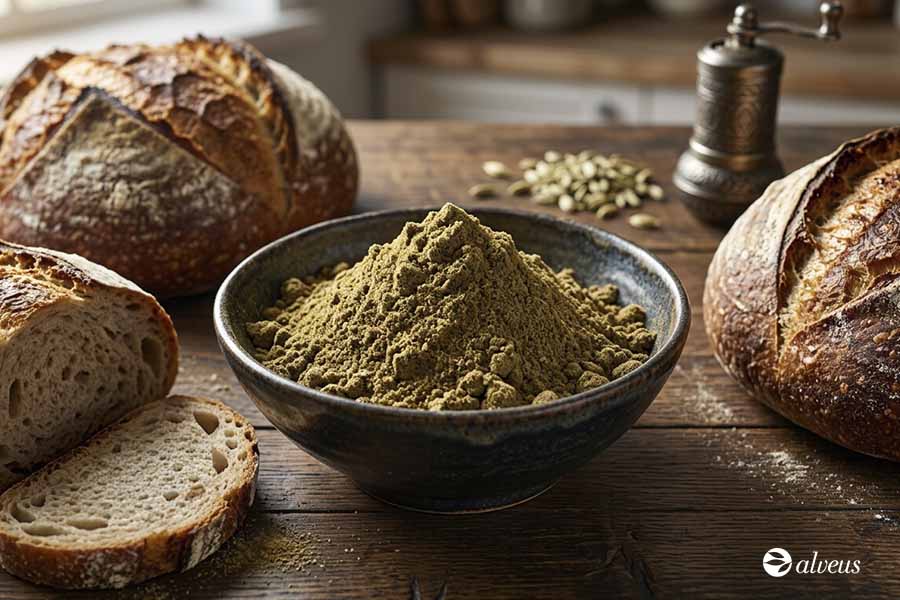
Alveus organic bread spices, product code 50054
An ingredient sells better when the buyer understands how to use it. Below, we share with you some uses for fennel in the kitchen, so that you can share them with your customers.
Recommend fennel for use with fish and seafood, as it works a treat. It is ideal in fish sauces, with oily fish and in recipes where a clean, elegant aniseed note is desired.
It is also excellent with pork. In Italian cuisine, fennel seeds are used in salamis and meat dishes, where they add character, depth and a warm, aromatic note that balances the fat.
It is another great ally in breads and pastries. Ideal for enriching savoury breads, recipes with olives or cheese, spiced pastries and even dishes with a more comforting profile.
And let’s not forget its role in pickles, sauerkraut, vegetables, pulses, and soups. It is one of those ingredients that allows you to create a versatile range. It isn’t confined to a single category. Commercially speaking, that’s gold.