

More than just a condiment, chilli peppers, also known as cayenne pepper, chilli or hot pepper, have established themselves as a key spice in the professional culinary world and in infusions and teas.
From its roots in tropical America to its presence in premium blends and organic spice catalogues, cayenne pepper stands out for its intense red colour, characteristic aroma and distinctive sensory profile.
Throughout this article, we will explore its botany, main species such as Capsicum annuum and Capsicum frutescens, types of chillies and levels of spiciness, as well as its most relevant professional applications, offering a comprehensive and practical overview for masters and professionals in the world of spices and teas, companies, distributors and premium spice brands.
What is cayenne or chilli pepper?
Cayenne pepper is a spice with an intense flavour and characteristic aroma that is widely used in international cuisine and in the professional tea, herbal tea and gourmet spice sector.
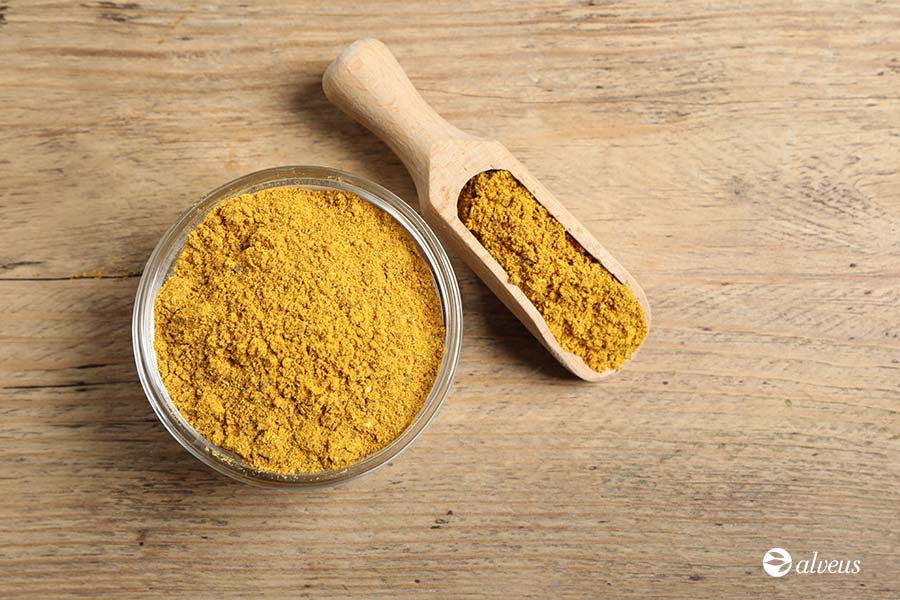
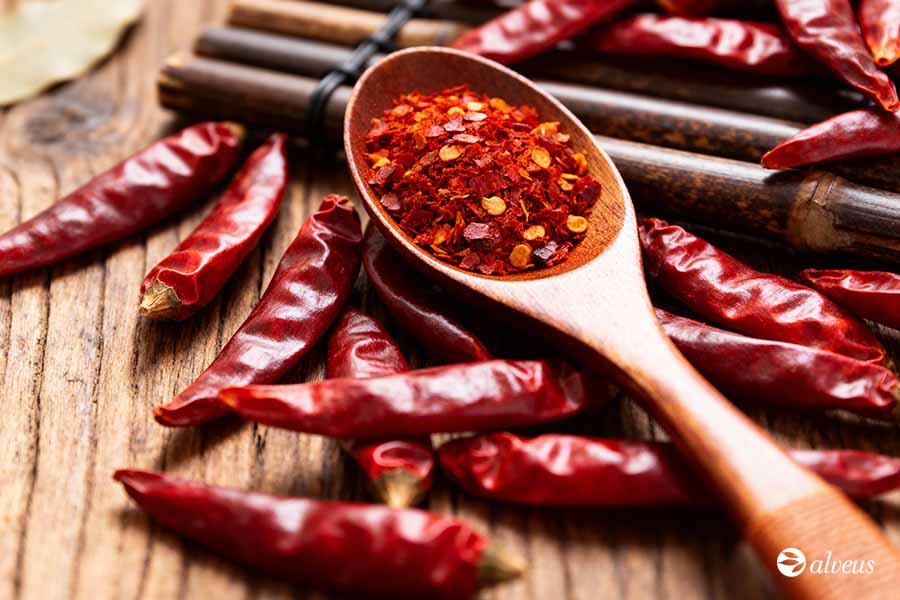
Cayenne is distinguished by its elongated, fleshy fruits, which are bright red when ripe, dried and ground to obtain ground cayenne or cayenne powder. In the professional sphere, it is also used in the form of dried chilli peppers, which allows for greater versatility depending on the type of blend or preparation.
Thanks to its balanced spicy profile and aromatic capacity, cayenne has become an essential ingredient in blends and gastronomic products, adding a warm and vibrant note that enriches both the flavour and sensory experience of each creation.
History and origin of the chilli pepper
The origin of the chilli pepper, also known as hot pepper or chilli, lies in the tropical regions of Central and South America, where it was cultivated more than 6,000 years ago. Civilisations such as the Maya and Aztecs already used the fruits of the Capsicum genus as a condiment, ritual element and part of their traditional herbal medicine.
During the 16th century, after the arrival of Europeans in America, cayenne was one of the first plants to be brought to the Old World. The name “cayenne” comes from the city of Cayenne in French Guiana, a key point on the early spice trade routes.
Its spicy flavour, completely new to the European palate, quickly aroused curiosity, which drove its expansion to Africa, India and Southeast Asia, where it found ideal climates for cultivation and became a natural part of local cuisines.
In less than a century, cayenne had gone from being an exotic fruit to an essential spice in global gastronomic culture. Its adaptability allowed for the development of numerous varieties, from the mildest to the most intense chillies.
Botanical characteristics
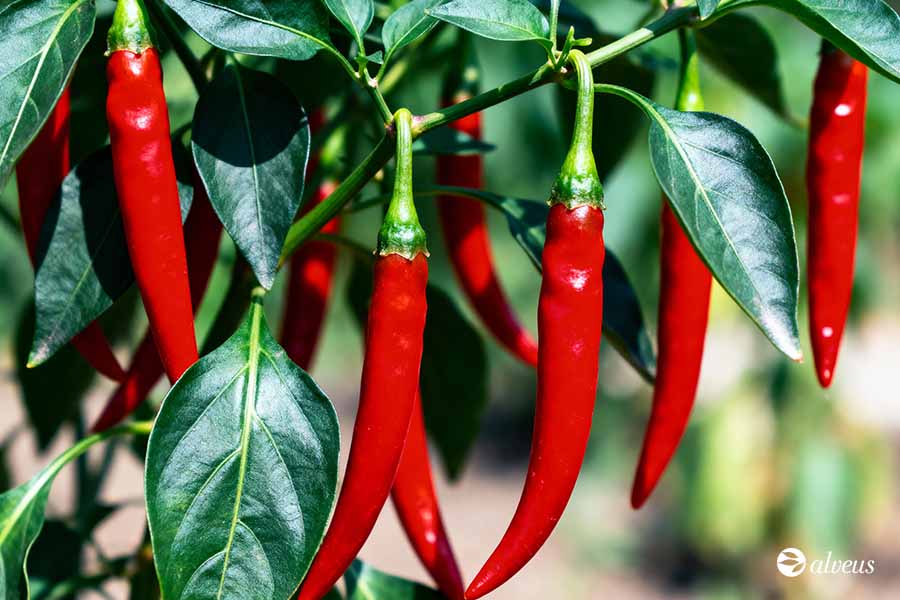
The most common species marketed as cayenne pepper belong to Capsicum annuum and Capsicum frutescens. The cayenne plant is a perennial or semi-perennial shrub that grows up to 1 metre tall and thrives in warm climates and well-drained soils.
Its fruits, known as chillies, are elongated berries measuring 5 to 10 cm, hollow and filled with numerous flat, whitish seeds, which contain part of their aromatic profile and spicy compounds. They are harvested when their aromatic and spicy profile is at its peak and then carefully dried to preserve their colour, aroma, and flavour.
The leaves are lanceolate and bright green, and the small white flowers are essential for the formation of the fruits that will be harvested later.
Main cultivated species
- Capsicum annuum: includes the classic cayenne (cayenne variety) and varieties such as peppers and paprika, with moderate spiciness.
- Capsicum frutescens: hotter, includes chillies and intense chillies, used for blends and products with character.
In summary, the cayenne plant combines ease of cultivation with fruits of high sensory value, making it a strategic spice.
Phytochemical composition and active ingredients
Cayenne pepper is a complex spice, rich in plant compounds that define its flavour, aroma and character. Among the main ones are:
- Capsaicinoids (especially capsaicin): responsible for the characteristic spiciness, present in concentrations ranging from 0.1% to 1.5%. This group of compounds has aroused interest in the food and cosmetics industries due to its interaction with heat receptors (TRPV1).
- Carotenoids: these give the fruit its intense red colour and contribute to its natural aromatic profile.
- Flavonoids: plant molecules that contribute to the aroma and sensory complexity of the spice.
- Volatile essential oils: responsible for the distinctive aroma and sensory richness of gourmet blends and condiments.
- Saponins (capsicidins, especially in seeds) and phenolic compounds: present in smaller proportions, they add nuances of flavour and texture to the spice.
Learn about these and other active ingredients present in plants such as chilli peppers in this post on the active components of medicinal plants.
Flavour and aroma of chilli or hot pepper
Defining the flavour of cayenne pepper goes beyond the simple perception of spiciness.
Its profile is complex and multifaceted, combining an initial burning sensation with fruity, slightly smoky and earthy notes. This sensory richness makes cayenne a highly prized spice, as even a small amount can completely transform a mixture or preparation.
Among the sensory profiles, we find the following:
- Heat and spiciness: it provides the characteristic intensity that awakens the palate, without overpowering other flavours if dosed appropriately.
- Aromatic notes: fruity, earthy and slightly smoky nuances that complement ingredients such as ginger, cinnamon or cocoa.
- Colour and visual appeal: the bright red colour of the fruit adds presence and distinction, a key element in premium infusion and spice products.
Current production and global trade
Cayenne production is mainly concentrated in India, China and East Africa, although Spain, Italy, and Greece also grow specific varieties for the gourmet and organic market.
The growing demand for high-quality, sustainable and traceable products has driven professional interest in chilli peppers, making them a strategic ingredient.
The international cayenne market is dynamic and expanding. More than 4 million tonnes of hot peppers are produced annually, some of which are used to make dried or ground cayenne. Demand for organic and pesticide-free products has encouraged certified cultivation in countries such as India, Sri Lanka and East Africa, while in Europe, cayenne is valued for its functional, aromatic and visual qualities.
Current cultivation and processing
- It is sown in spring and harvested in summer, when the fruits reach a deep red colour.
- Modern processing methods: sun or shade drying, grinding into cayenne powder and sorting by size and pungency.
Types of chillies and forms of presentation
Among the most commonly used types of chillies are the species mentioned above: Capsicum annuum, which is moderately hot, and Capsicum frutescens, which is more intense and distinctive.
Each offers different degrees of spiciness and sensory profiles, which influence the selection of dried fruits, ground cayenne or fresh chilli for professional applications.
Parts used and forms of presentation
Dried and ground fruits are the main commercial products, presented in a way that facilitates their professional use:
- Powdered or ground cayenne: ready to be incorporated into spice blends, infusions and premium teas, providing colour, aroma and uniform spiciness.
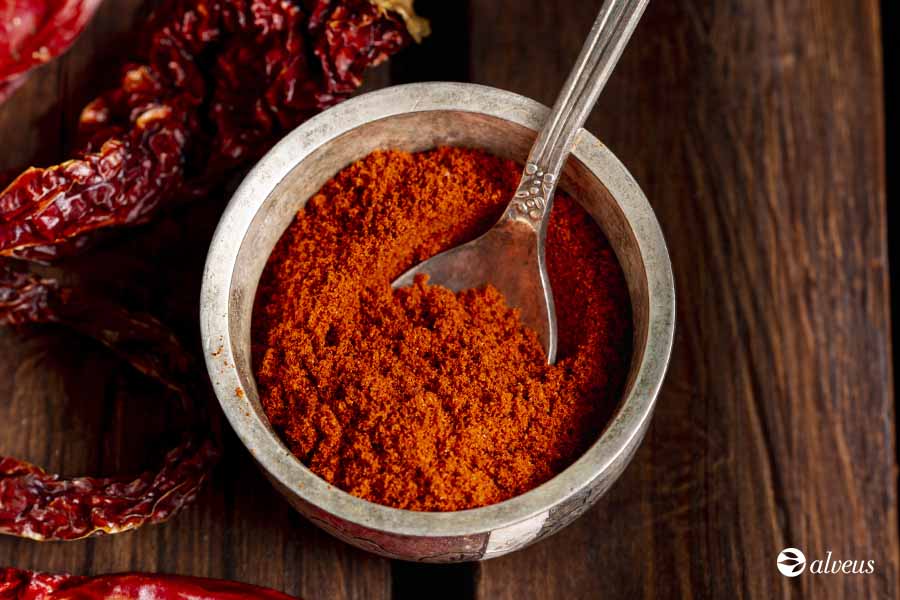
* Alveus organic cayenne pepper, available for wholesale purchase in our B2B online shop.
- Dried chillies: whole dehydrated fruits, ideal for storage and transport.
- Fresh chilli or chili: more common in professional cuisine, used directly in recipes.
- The seeds, although small, concentrate much of the heat and are preserved when greater intensity is desired, while the dehydrated skin forms the basis of the dried product.
Together, the different species, varieties, and forms of presentation offer a flexible, high-quality and sensorially appealing ingredient that can be adapted to multiple applications.
Professional uses and applications
Cayenne is a versatile and strategic spice for professionals in the spice sector, tea shops and specialised brands. Its applications range from gastronomy to premium tea and infusion blends.
Applications of chilli in infusions and teas
In the world of herbal teas, chilli adds warmth, character and a controlled spiciness that enhances functional blends and teas.
It is especially appreciated in spiced chai, where it is combined with cinnamon, ginger, cardamom, cloves or nutmeg to offer a balanced and stimulating sensory experience.
It is also successfully integrated into revitalising infusions, alongside cocoa, guarana or ginseng, adding aroma and presence without overpowering the other ingredients, as well as in blends that aid digestion, where the mild spiciness of cayenne complements citrus fruits, turmeric, ginger or mint.
Its precise dosage, just a few tenths of a gram per kilo of mixture, allows for total control of the level of spiciness, ensuring consistency in each preparation.
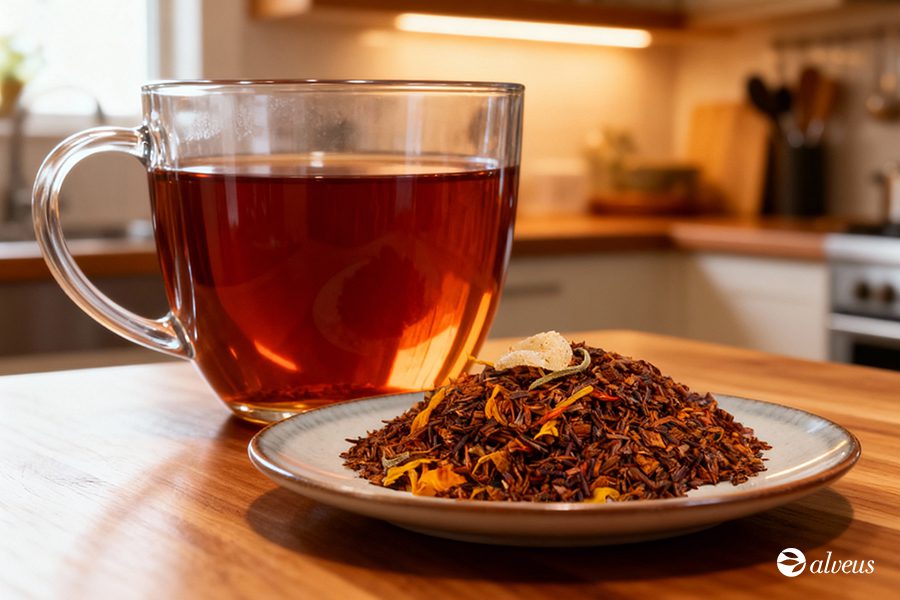
* Rooibos infusion Warm the soul with chilli, available in our online shop Alveus B2B Shop.
Culinary and gourmet uses of cayenne
In gastronomy and gourmet blends, cayenne is used to create premium spice blends, aromatic seasonings and infused salts, as well as to make hot sauces, flavoured oils and sophisticated vinaigrettes, where it adds aroma, colour, and intensity.
The spice combines perfectly with cocoa, citrus fruits, ginger, garlic and aromatic herbs, allowing products with their own personality to be developed. Both dried chilli and ground cayenne facilitate uniform dosing and reproducibility in professional processes, ensuring consistent quality and ease of use.
The professional value of a legendary spice
Cayenne, in its various forms, dried chilli, ground cayenne or fresh chilli, has established itself as a strategic ingredient for professionals in the premium spice, tea, and infusion sectors.
Its versatility, sensory intensity and rich colour make it an essential spice for creating differentiated products, innovative blends and unique gourmet experiences.
Tradition, flavour, and versatility come together in each fruit, offering distributors, professionals and brands of tea, infusions and spices the possibility of adding warmth, character and added value to their creations.