

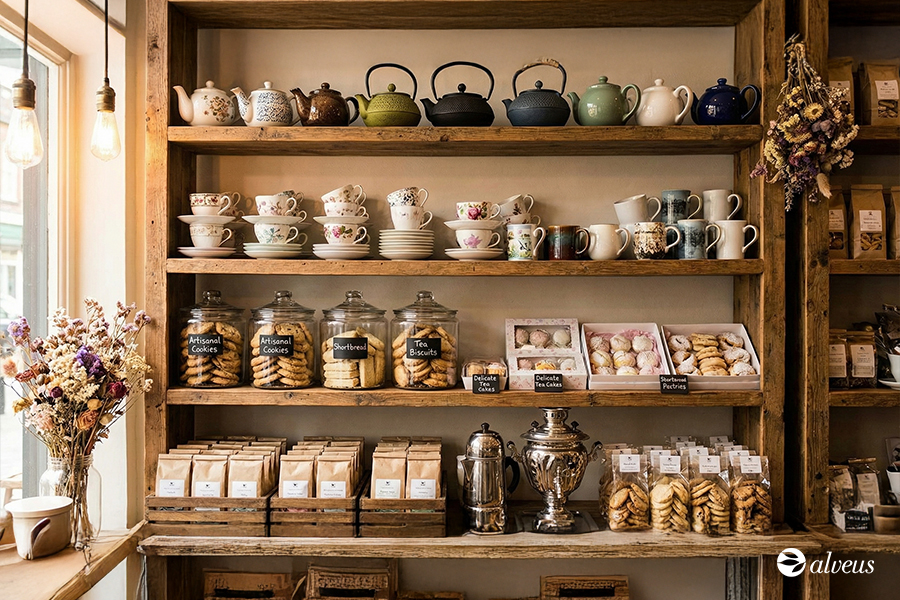
Offering a variety of complementary tea products will make your shop more attractive to customers. But there is an even greater benefit for the health of your business: increased sales.
But is any product acceptable? The answer is no.
We know of many tea shops that, with the aim of increasing their sales, decided to incorporate products without clear criteria. The result was a loss of identity and consistency, which ended up diluting the shop’s positioning.
What you should not sell as a complement in your tea shop
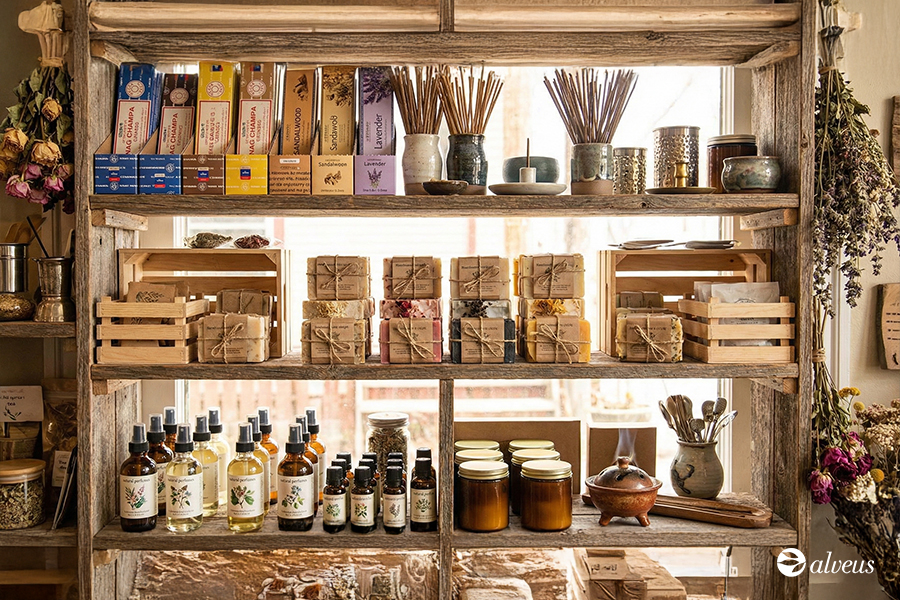
Just as important as knowing which products to sell as a complement to tea is being clear about what you should not include in your shop. That is why we are starting with this point.
First, rule out any product with an intense, dominant aroma that is stronger than that of the tea itself and its ingredients. We are referring specifically to items such as incense, soaps, aromatic cosmetics, and even coffee.
You may think, “There are many shops that sell tea and coffee.” And that’s true. However, not all of them do it correctly. For both products to coexist without problems, they must be stored in tightly closed containers and, whenever possible, kept separate on the shelf.
While the products mentioned above can harm tea as a product, the following can directly affect the image and essence of your business. These are items that are unrelated to the world of tea, gourmet cuisine, or the natural lifestyle that often accompanies it.
Sometimes shops start introducing all kinds of products in a desperate attempt to increase sales. The problem here is that the tea business was poorly planned from the outset.
When a tea shop starts selling clothing, esoteric items or electronic products, the message becomes diluted. Customers are no longer clear about what you do, and when they think of a professional tea shop, it is very likely that your business will no longer be a reference in their minds.
What you can sell as a complement to tea
Tea can be perfectly complemented by various products that you can sell in your shop. While providing good service to your customers, you can cross-sell and increase your turnover.
The most classic items, which we guarantee will work, are accessories, coffee, spices, chocolates, biscuits, sugars, cultural products, etc.
Tea-making accessories
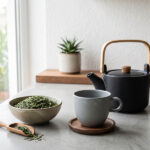
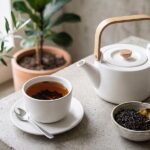
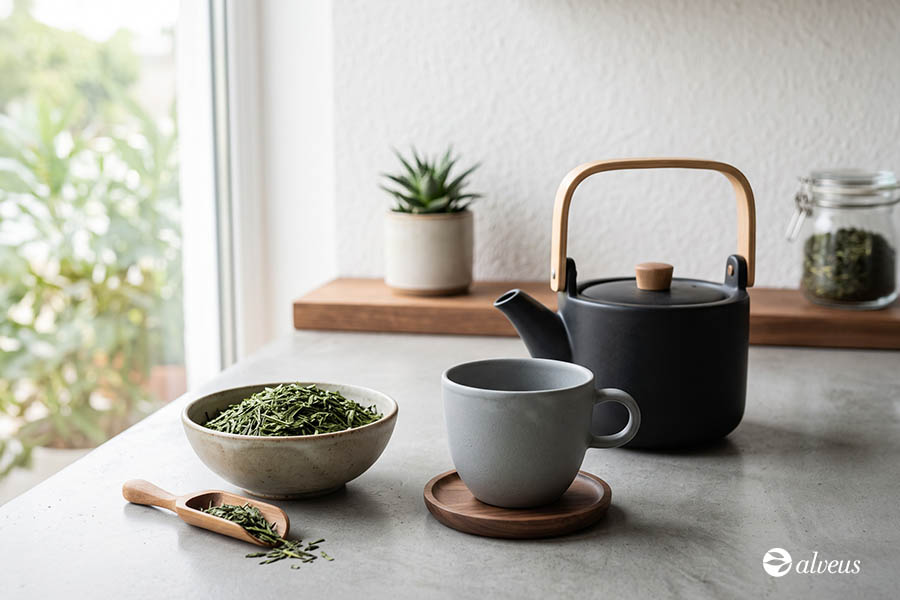
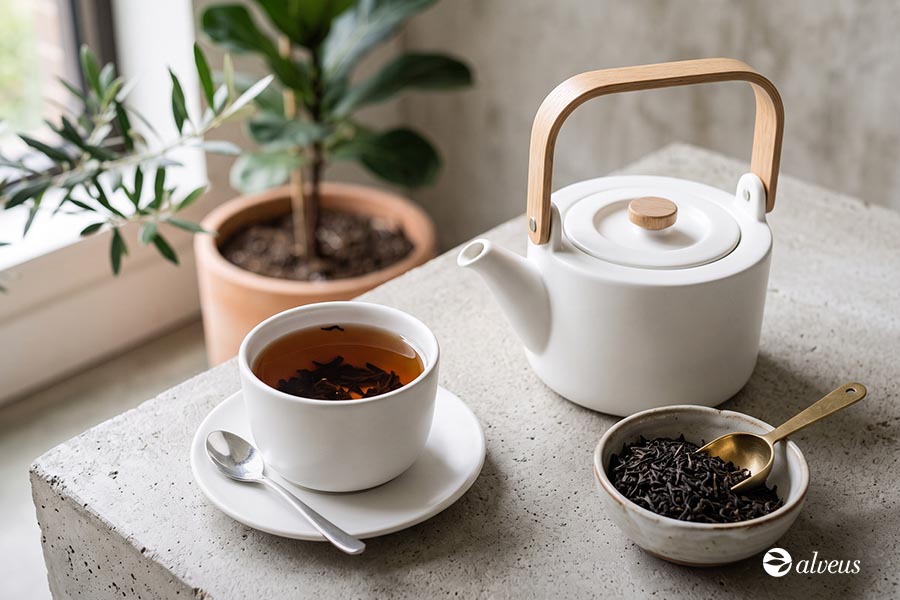
Teapots and cups are undoubtedly the perfect complement to any tea shop. If you offer a varied selection of styles and materials, you will be able to cater to two very clear customer profiles:
- Those looking for functional accessories for preparing and enjoying tea.
- Those who purchase them as decorative tableware.
Other essential accessories are filters, both metal and paper. In recent years, silicone filters with original shapes have also gained popularity, appealing to a more casual audience.
For more purist or specialised profiles, you can incorporate gaiwans, tasting sets, ceremonial tables, as well as specific accessories for preparing matcha.
And for those who seek practicality and want to take their tea wherever they go, you can offer thermos flasks and thermal flasks, as well as travel sets.
Electrical appliances
Technology also has a place in a tea shop, as long as it is directly related to the preparation and consumption of tea.
Some examples of suitable electrical appliances are:
- Electric kettles with temperature measurement.
- Electric mixers and frothers for preparing matcha.
- Timers for preparing tea.
Pastries, chocolates and sweet treats
Tea is often associated with a sweet moment of enjoyment. This perception comes in part from the tradition of teatime, when the drink is accompanied by cakes, biscuits or small savoury snacks.
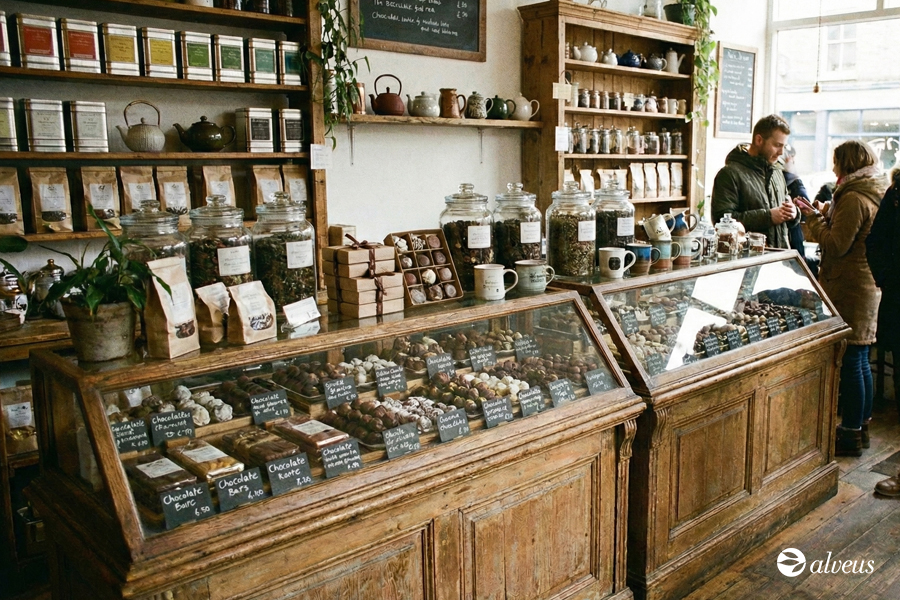
In your shop, you can offer everything from stroopwafels, which soften when placed on a hot cup, to classic tea biscuits and shortbread, which are always highly appreciated by customers. To complete the experience, jars of handmade jams are an excellent addition, with a virtually endless variety of flavours.
In many countries, Arabic sweets are marketed as the ideal accompaniment to tea. They are small, intense in flavour, very appetising and, moreover, difficult to find in general retail outlets, which makes them a differentiating factor that adds value to your shop.
Another interesting option is to offer portions of traditional cakes and sweets, both local and from other cultures. And for customers looking for a more refined offering, macarons are the perfect complement to a refined and elegant tea experience.
And finally, a classic that never fails: chocolate. The balance between sweet and bitter flavours, especially in high-purity chocolates, wins over millions of people around the world. Incorporating chocolates and chocolate bars, both flavoured and pure, is a safe bet that perfectly complements any selection of teas.
Sweeteners
Although we are not in favour of adding sweeteners to tea, we know that some people enjoy it very sweet.
For many tea drinkers, sweeteners are part of their usual experience and therefore constitute a category that cannot be missing from a specialised shop.
For this reason, you can incorporate options such as:
- Sugars, both white and brown, as well as flavoured varieties (vanilla, spices, etc.).
- Panela, made from sugar cane juice, similar to traditional sugar but unrefined.
- Artisanal honeys, offering a varied selection, ranging from orange blossom honey to lavender honey.
- Stevia, one of the most natural alternatives for sweetening teas and infusions.
Spices
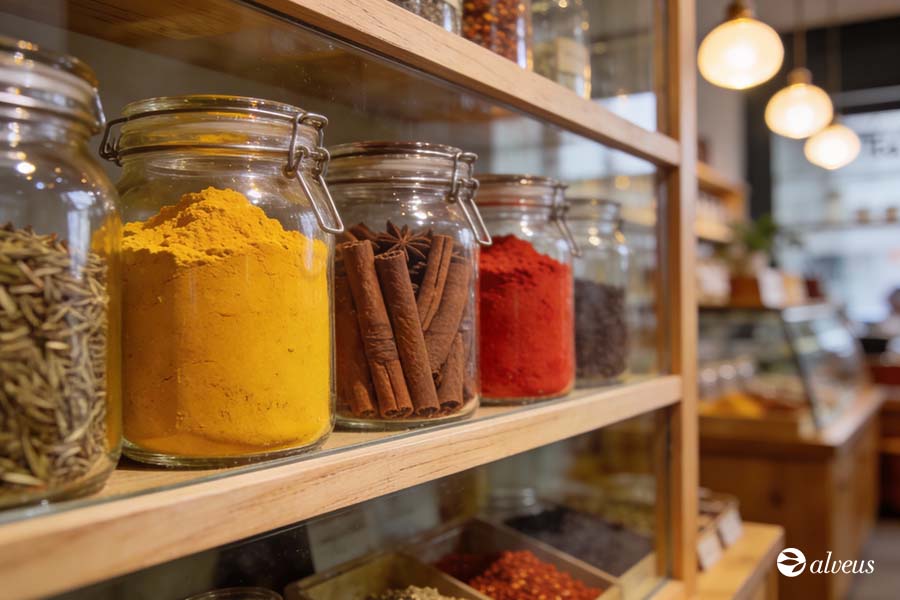
Spices are common ingredients in many tea blends, and many consumers are attracted to their intense aromas and flavours.
What’s more, tea and spices share a common history: in ancient times, the trade routes for tea were the same as those for spices, reinforcing the natural connection between the two products.
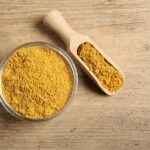
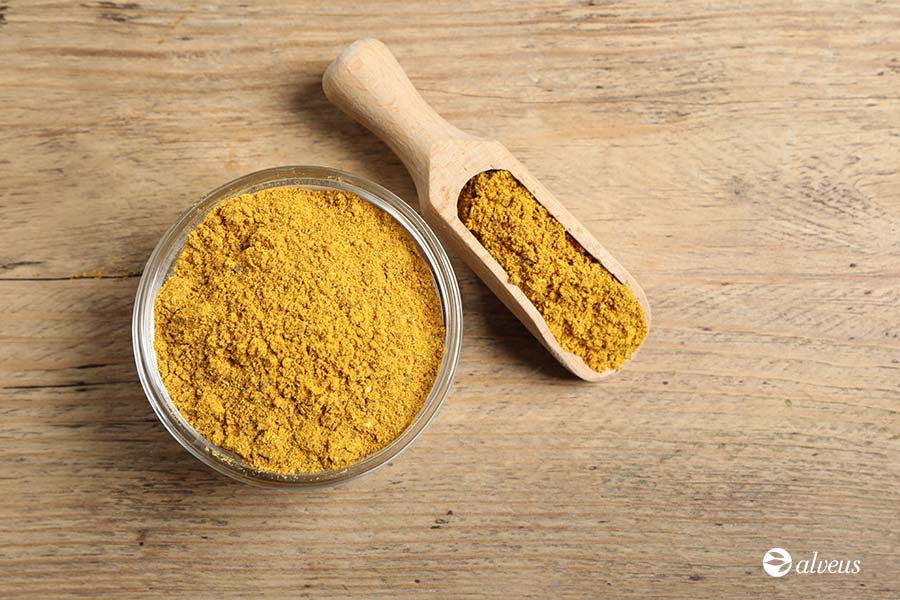
In your shop, you can offer single spices in bulk or special blends designed for different uses and occasions: meats, salads, stews or specific recipes. These types of products are particularly well-suited to a customer base that values cooking, the origin of ingredients and culinary experimentation.
Coffee
For many people, tea and coffee seem like polar opposites, but in reality, they can coexist perfectly within the same space if managed wisely.
Our recommendation is to go for speciality coffees and some flavoured varieties that will pique the interest of the most curious and adventurous customers.
However, due to the intense aroma of coffee, it is essential to store it in airtight containers and keep it as far away from tea as possible to avoid aromatic contamination.
A world of culture to complement tea
Anything related to tea culture is an excellent complement to reinforce your shop’s identity and enrich the customer experience. Some examples are:
- Classical or relaxing music CDs, ideal for accompanying tea time.
- Books that help educate customers about the history, rituals and traditions of tea.
- Current affairs books or great titles designed to be enjoyed during a break with a cup of tea.
- Recipe books in which tea is the star ingredient or a key component.
These types of products not only add value, but also help to build a coherent universe around your brand.
Conclusion
There are many products you can use to complement your tea offering. You can select those that best fit your shop concept, offer a higher margin, or best suit your customers’ tastes.
Our advice is clear: do not incorporate products that are not related to tea culture, tradition or lifestyle. The aim is for your shop to remain positioned in the customer’s mind as a place of reference and specialisation in tea.
What about you? What other products do you sell as complements in your tea shop?
We look forward to hearing from you!