

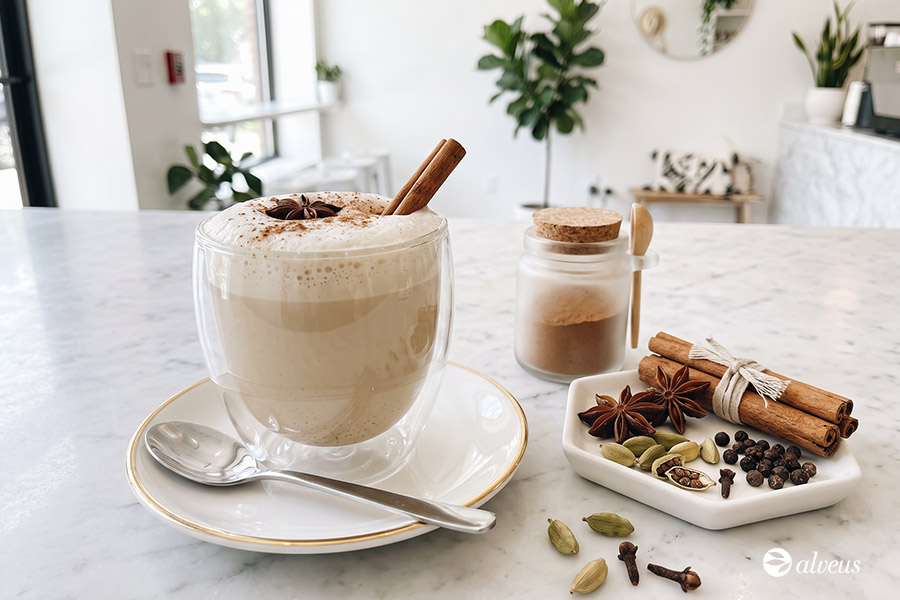
Chai is one of the most iconic drinks in Indian tea culture. Its combination of aromatic spices, tea and, usually, milk has won over palates all over the world.
Although the best-known version is made with black tea, today there is a wide variety of chais with different bases, ingredients, and flavour profiles.
A classic recipe that has become a must-have in any tea shop. That’s why we’ve created this guide to help you understand it better and sell it more effectively. In putting it together, we’ve drawn on our extensive experience in developing chais and the feedback we continually receive from our customers across Europe.
What is Chai?
The word ‘chai’ simply means ‘tea’ in Hindi and other Asian languages. It comes from the same linguistic root as the Chinese term ‘chá’, from which numerous names for tea used in different countries are derived.
However, outside India, the word ‘chai’ has taken on a more specific meaning: it is commonly used to refer to a drink made with tea and spices, which can be prepared with water, milk, and a sweetener.
In India, this drink is known as masala chai. The term ‘masala’ means a mixture of spices, so its approximate translation would be ‘spiced tea’.
There is no single traditional recipe. Each region, family, or vendor may use different ingredients and proportions. Among the most common spices are cardamom, cinnamon, ginger, cloves and black pepper. Some recipes also include star anise, fennel, nutmeg, or even saffron.
It is worth distinguishing between traditional masala chai, which is usually prepared by boiling it with milk, and chai blends – mixtures of tea, spices and other ingredients designed to be steeped directly. The latter allow you to enjoy a wide variety of flavour profiles and can be easily adapted to different tastes.
History and origin of chai
Although today we associate chai directly with India, its history is the result of the evolution of various traditions relating to the use of spices, tea cultivation and drinking customs.
Firstly, it is important to note that spices have always held an important place in Indian cuisine. Ginger, cardamom, cinnamon, and pepper were used to make aromatic preparations and hot drinks. Many were even the basis of the Ayurvedic tradition.
The arrival of tea alongside the spices
The tea plant, Camellia sinensis, grew wild in certain regions of north-eastern India, particularly in Assam, where local people were already familiar with its leaves.
However, the development of a major tea industry began during the 19th century, under British colonial rule. The plantations in Assam and, later, in other regions such as Darjeeling, drove production aimed primarily at export.
At the start of the 20th century, campaigns to encourage tea consumption within India were stepped up. Over time, the population adapted the drink to their tastes, adding milk, sugar, and spices.
In this way, the masala chai we know today gradually took shape. Its popularity grew gradually and was linked both to domestic habits and to the growth of establishments serving tea.
Chai as a symbol of hospitality
In India, chai is much more than just a drink. It forms part of everyday life and social interactions.
It is prepared in homes to welcome visitors, accompanies conversations and is sold at small street stalls, railway stations and markets.
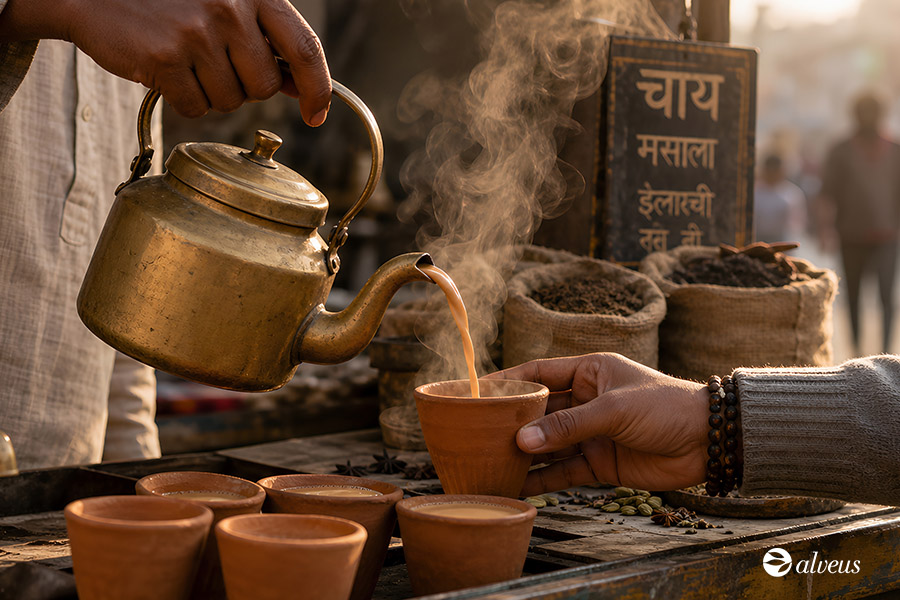
Specialist vendors, known as chai wallahs, prepare large quantities of tea with milk and spices, usually by boiling it. Each may have their own combination of ingredients, which explains the diversity of flavours found even within the same city.
From India to the rest of the world
The international spread of chai accelerated during the final decades of the 20th century, particularly with the rise in popularity of the chai latte in cafés across Europe and North America.
This adaptation, usually made with a concentrated base of spiced tea and plenty of milk, introduced chai to consumers seeking aromatic alternatives to coffee.
From then on, new variations began to emerge: blends featuring different tea varieties, caffeine-free versions, recipes with cocoa, combinations with dried fruit, and instant preparations.
What spices are in chai?
Spices are what define the aromatic character of a chai. Although there is no universal recipe, some spices appear particularly frequently. These are:
Cardamom
Cardamom is one of the most characteristic spices in masala chai. It adds fresh, balsamic, slightly citrusy and sweet notes. Its intense aroma makes it recognisable even when used in small quantities.
Cinnamon
It provides aromatic sweetness and a warm, enveloping sensation. Depending on the variety of cinnamon used, it can have more delicate nuances or an intense, spicy character.
Ginger
Ginger imparts a fresh, lingering heat. In traditional recipes, it is often used fresh, although in dried blends it is usually added in its dehydrated form.
Clove
It has a pungent, warm and slightly medicinal aroma, with woody undertones. Due to its high aromatic intensity, it is advisable to use it sparingly.
Black pepper
Black pepper adds a dry heat and a warming sensation that can linger after drinking. It helps to add depth to spicy blends.
Other spices
Fennel, star anise, nutmeg and saffron allow for the development of different flavour profiles. They can impart aniseed, sweet, floral or slightly earthy notes.
What makes the difference in a good chai is the quality of the raw ingredients. The form in which the spices are presented also affects the flavour. Some spices may be used whole, whilst others are ground.
But if there’s one thing that matters, it’s the proportions. Too much of one ingredient can mask the nuances of another – as would happen, for example, with a chai containing more cloves than recommended. It can also happen that one spice dominates the blend simply because there’s more of it. This happens easily with ginger.
Types of chai
Traditionally, masala chai is made with black tea, but the evolution of this category has given rise to numerous combinations.
The choice of base tea significantly alters the result. Combining cinnamon and cardamom with a malty Assam is not the same as doing so with a vegetal green tea or a Pu-erh with earthy notes.
There are also varieties without tea leaves, made exclusively from fruit, spices, roots or cocoa, as well as powdered blends designed to make it easier to prepare drinks with milk.
At our company, we explore these different possibilities using carefully selected raw materials from various parts of the world. We import teas, fruits, spices and other ingredients which we use to develop our own chai blends, paying particular attention to the quality, aromatic balance and character of each recipe.
Black tea-based chai: the great classic
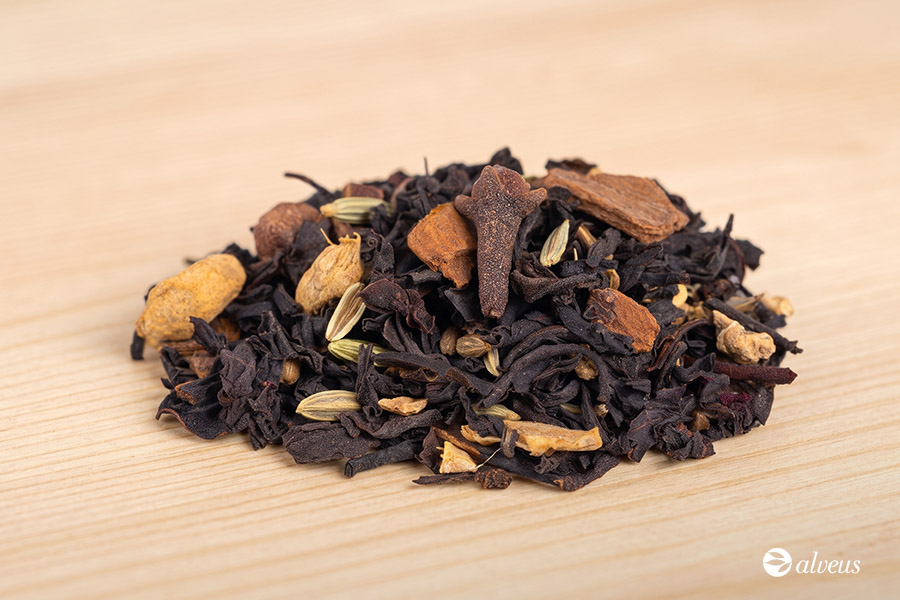
Organic Black Chai – Product code 82629 by Alveus
Black tea chai is the version closest to traditional masala chai and one of the leading products in this category.
Black tea provides structure, body, and a flavour base capable of complementing intense spices without being overwhelmed by the blend. Its malty, toasty or slightly woody notes pair particularly well with cinnamon, cardamom, ginger, and cloves.
Among the most commonly used black teas is Assam, which originates from north-eastern India. Its robust character, body and frequent malty notes make it a particularly suitable base for preparations with milk.
Black teas from other origins can also be used, such as southern India, Sri Lanka or certain regions of China. Each brings different nuances that allow for the creation of recipes that are more intense, mild, sweet or spicy.
In high-quality blends, the selection of black tea is just as important as that of the spices. A base that is too light may be overshadowed, whilst an excessively astringent tea can result in an unbalanced drink.
Black chai can be enjoyed brewed with water alone, but it also works very well with milk or plant-based drinks. Its body ensures it retains a recognisable aromatic presence even when diluted with other ingredients.
For a specialist shop, this is a must-stock item. It can be recommended both to regular black tea drinkers and to those looking to make a chai latte with an intense, spicy flavour.
Green tea-based chai
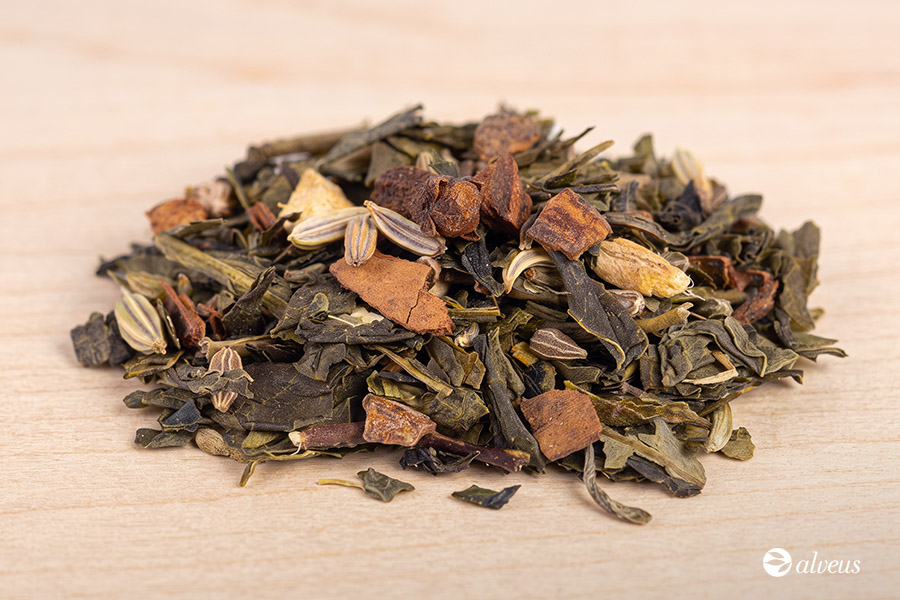
Organic Green Chai – Reference 82626 by Alveus
Green tea chai offers a different take on spiced blends. Instead of the malty, robust character of black tea, we find a base that can bring out vegetal, herbaceous, fresh or slightly toasty notes.
These characteristics allow for the creation of chais with a lighter feel and a less overpowering aromatic profile.
In this type of chai, the spices must be carefully selected to ensure they do not mask the character of the tea. Cardamom, ginger, cinnamon and certain aniseed-flavoured spices blend well when used in balanced proportions.
A key difference from black chai lies in the preparation. Green tea generally requires lower brewing temperatures, around 75–85 °C depending on the variety, to limit the excessive extraction of bitter and astringent compounds.
Pu-erh tea-based chai
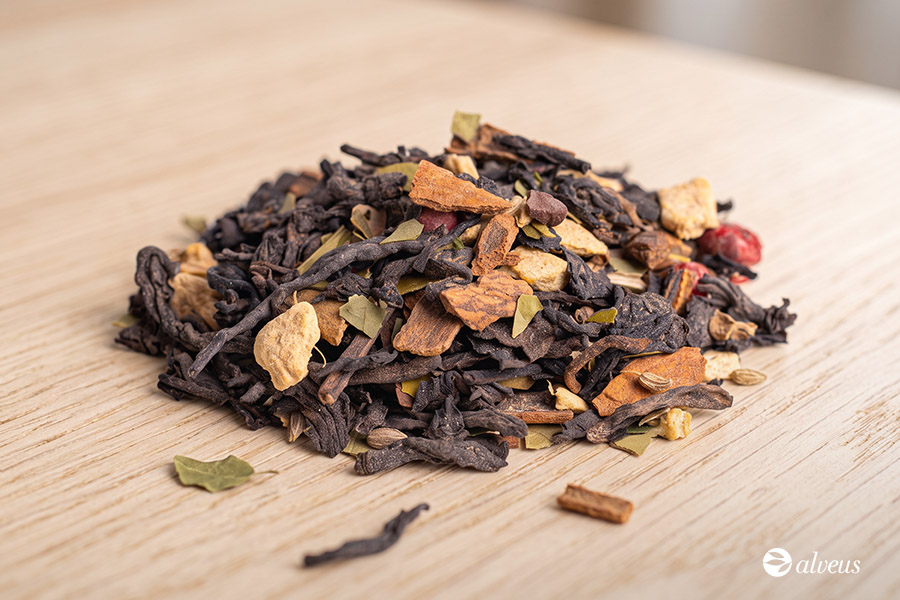
Pu Erh Power Chai Organic – Reference 84024 by Alveus
This Pu-erh chai stands out for its aromatic depth and the distinctive character imparted by this type of tea, which originates from the Chinese province of Yunnan.
Pu-erh belongs to the family of dark or post-fermented teas, although there are different styles of production. For spiced blends, ripe Pu-erh – known as shu or shou – is often particularly interesting, characterised by its dark liquor, its body and its earthy, woody and, at times, undergrowth notes.
These characteristics allow for the creation of highly intense chais, in which the spices find a flavour base that differs from that of black tea.
Tea-free chai: blends of fruit, spices, cocoa, and herbs
Not all blends marketed as chai contain tea leaves. There are also tea-free chais, made from spices, fruits, roots, seeds, flowers, and other plant-based ingredients.
Although these preparations are not strictly considered masala chai, they share its main characteristic, as spices play a leading role in their flavour profile.
The main difference is that they do not contain Camellia sinensis, so they do not provide the caffeine typically found in tea. However, if they include cocoa or other naturally stimulating ingredients, they may contain small amounts of caffeine or theobromine.
Blends containing fruit usually include apple or pumpkin, amongst other dried fruits. These ingredients add sweetness or fruity notes that soften the character of the spices. Apple, for example, pairs particularly well with cinnamon and ginger, resulting in warm and slightly sweet profiles.
Chais with cocoa offer a different flavour profile. The toasty and bitter notes of cocoa are complemented by cinnamon, cardamom or cloves, creating infusions with hints of spiced chocolate. They are also delicious with a few drops of milk.
Meanwhile, blends based on spices, roots, and herbs may incorporate ginger, fennel, liquorice, aniseed, or turmeric. In these formulations, the ingredients do not merely accompany a tea base, but shape the infusion’s profile in their own right.
They also offer great versatility in preparation. Depending on the blend, they can be brewed with hot water, used as a base for milk-based drinks, or served cold.
Chai powder: new ways to make spiced drinks
Unlike leaf and spice blends, which require steeping and subsequent straining, these mixes are designed to be stirred directly into water, milk or plant-based drinks, following the instructions for each product.
Their main advantage is how easy they are to prepare. They allow you to make aromatic and creamy drinks in just a few steps, without the need for strainers or removing solid ingredients.
However, not all powdered chais are the same. Their composition can vary considerably: some contain instant tea, others use finely ground tea, and others are made with powdered plant-based ingredients and spices.
Quality depends as much on the selection of raw materials as on their proportions, particle size, solubility and dispersibility.
Within this category, we have developed a range of products designed to expand the range of chais and spiced drinks on offer.
Chai with powdered black tea
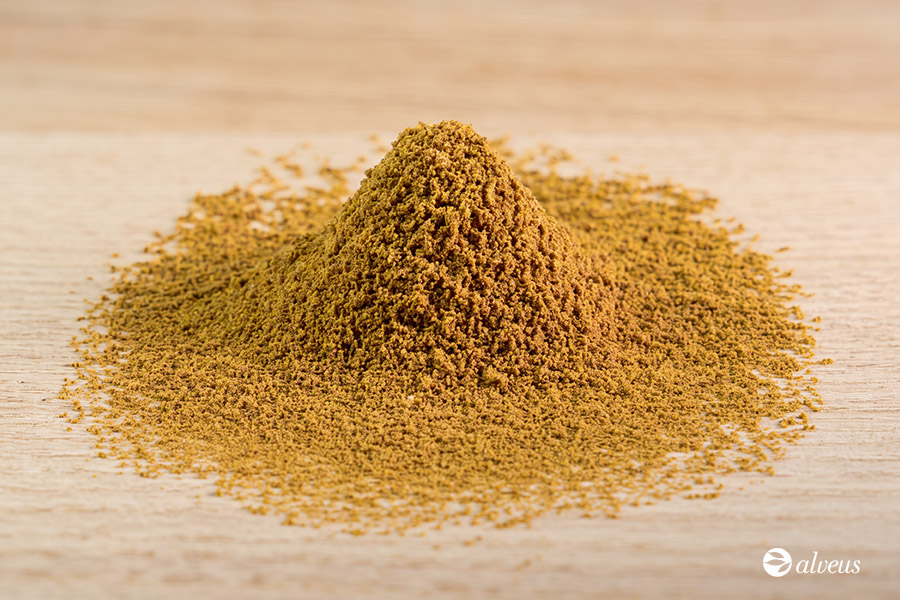
Organic Black Chai Latte – Product code 83615 by Alveus
It is one of the options that most closely resembles a conventional chai latte.
It combines the character of black tea with spices such as cinnamon, ginger, cardamom and cloves, in a format that makes it easy to prepare.
The black tea provides body, depth and a slight astringency that balances the sweetness and the aromatic notes of the spices.
This variety is particularly suitable for cafés, hospitality venues and shops wishing to offer a quick-prep alternative to traditional chai.
Chai with matcha tea
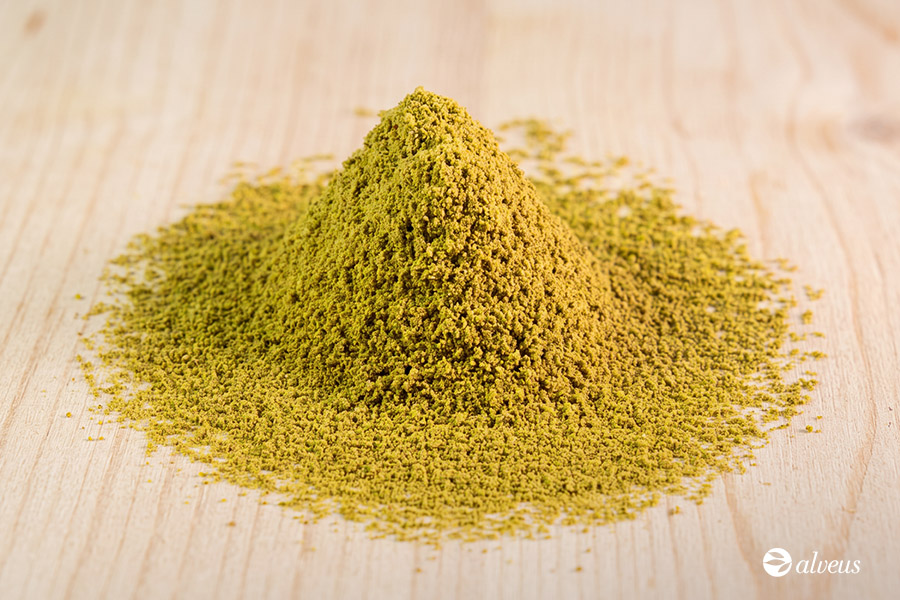
Organic Matcha Chai Latte – Product code 83614 by Alveus
Matcha allows us to create a version of chai with a very different sensory profile.
This powdered green tea is characterised by its intense green colour, its body and its vegetal and umami notes. When combined with spices, interesting contrasts emerge between the tea’s herbaceous character and the warm nuances of cinnamon, ginger, or cardamom.
Unlike a conventional infusion, matcha is consumed as a suspension, meaning the finely ground tea leaves are ingested.
Chai with beetroot powder
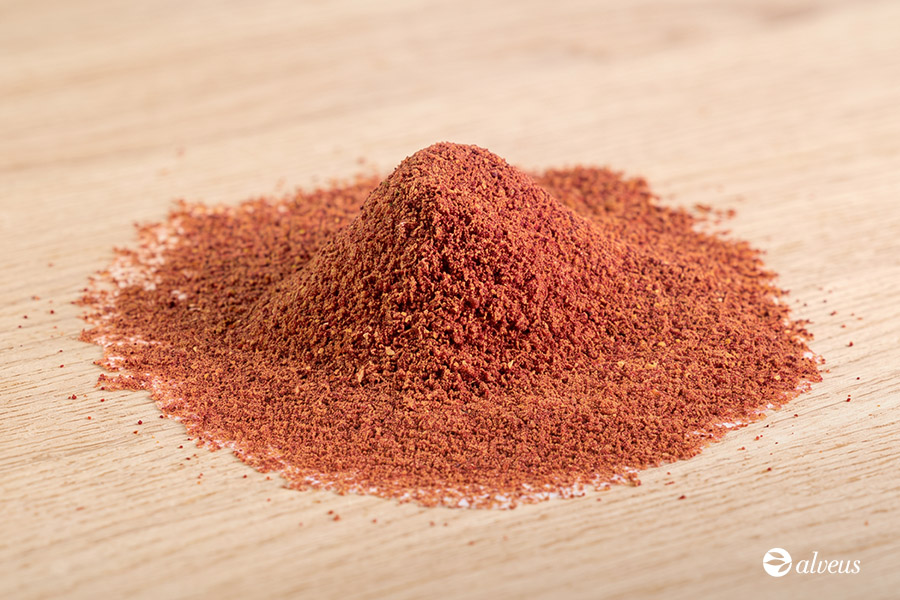
Organic Pink Chai Latte – Product code 83613 by Alveus
Beetroot lends its own distinctive character to spiced blends, both in terms of colour and flavour.
Its characteristic pink or reddish hue allows for the creation of visually appealing drinks, especially when combined with milk or plant-based drinks.
From a sensory perspective, beetroot has a natural sweetness accompanied by earthy notes that blend well with spices such as cinnamon, ginger, or cardamom.
The result is a drink that differs from traditional chai, with a more plant-based and slightly sweet flavour profile. It can be enjoyed both hot and cold; when served cold, it makes for a delicious, energising, caffeine-free drink.
Chai with pumpkin powder
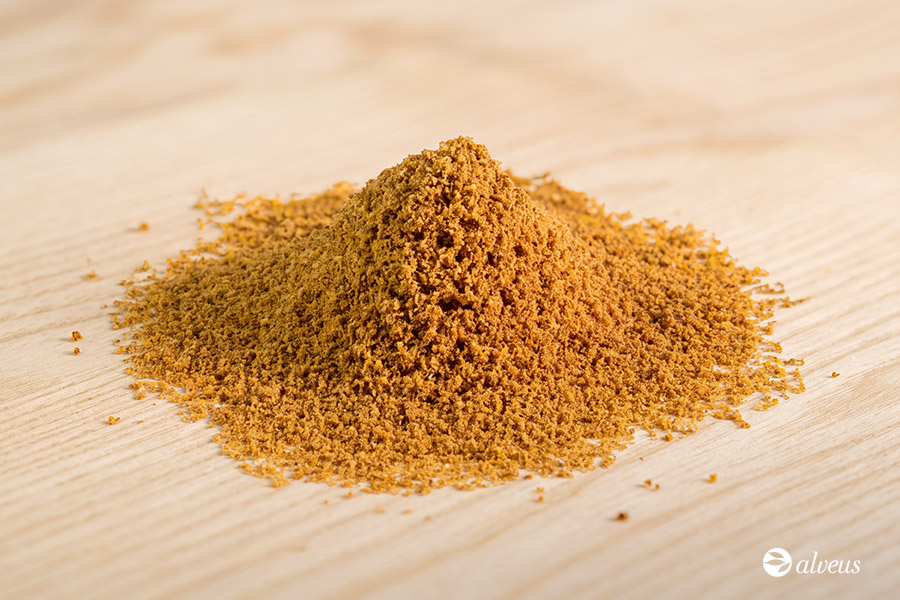
Organic Pumpkin Chai Latte – Product code 83616 by Alveus
Its slightly sweet, nutty flavour pairs well with cinnamon, ginger, nutmeg, and cloves – spices that are also found in numerous baking recipes.
This combination is reminiscent of the well-known ‘pumpkin spice’ profile, which has gained international popularity through autumn-inspired drinks and recipes.
The pumpkin adds body, colour, and a gentle, plant-based sweetness, whilst the spices build the drink’s aromatic character.
It’s a blend that works particularly well with milk or plant-based drinks and offers an alternative to more intense chais, with a well-rounded, familiar flavour profile.
How do you make a chai?
The preparation depends on the type of chai and the desired result. A traditional masala chai is not made in the same way as a blend for infusion or a powdered chai. Below, we explain the different preparation methods so that you can describe them in-store or use them in your hospitality business.
Traditional method of making masala chai
In India, one of the most common methods involves boiling the tea and spices together with water, milk, and sugar.
To make approximately two cups, you can use 250 ml of water, 250 ml of milk, between 5 and 8 g of black tea, cardamom, cinnamon, ginger and a small amount of cloves or black pepper.
First, heat the water and spices for several minutes to help release their aromas. Then add the black tea and stir in the milk. Bring the mixture to a gentle simmer, sweeten to taste and finally strain it.
The cooking time, the proportion of milk and the amount of spices can vary considerably depending on the recipe.
Preparing loose-leaf chai
Commercially available chai blends for brewing make preparation easier.
As a general guide, use between 2 and 3 g of the blend per 200 ml of water, adjusting the temperature and steeping time according to the base used.
Chai blends containing black tea are usually brewed with water at 90–100 °C for around 3–10 minutes. Those containing green tea generally require lower temperatures and shorter brewing times. Blends without tea, particularly those containing roots or hard spices, may require longer brewing times.
To make a chai latte from a blend, a good option is to first prepare a concentrated infusion and then add hot or frothed milk.
This ensures sufficient aromatic intensity without the need to boil all the ingredients together.
Preparing a powdered chai
It is usually sufficient to mix the recommended dose with a small amount of hot water or milk until a smooth consistency is achieved, and then top up with the remaining liquid.
They can also be prepared with cold milk, provided the formulation allows for adequate dispersion.
What is the difference between chai and chai latte?

This is one of the most frequently asked questions we receive from some clients. Although the terms are often used interchangeably, there is a practical difference.
In an international context, ‘chai’ refers to a spiced tea preparation or a blend inspired by it. It can be served with water, with milk or cooked, depending on the recipe.
Chai latte, on the other hand, is a variation that has become particularly popular in cafés. It is prepared by combining a chai base with a significant proportion of milk or a plant-based drink, usually hot and frothed.
The word ‘latte’ comes from Italian and means ‘milk’. Therefore, a chai latte does not necessarily contain coffee, unlike a conventional café latte.
The difference is also evident in the sensory experience. A chai brewed with water allows the individual nuances of the tea and spices to be perceived more clearly. In a chai latte, the milk softens the astringency, rounds out the flavour and provides a creamier texture.