

Golden milk or golden latte has established itself as one of the most recognised functional drinks on the market today. What for centuries was a traditional turmeric-based preparation has now become one of the global trends in the world of tea, spices and infusions.
For your business, the golden drink is not only appealing on a sensory level; it represents a category with narrative, turnover and added value, aligned with well-being, naturalness and conscious consumption.
In this article, we analyse golden milk from a professional perspective: its history, classic ingredients, uses, flavour, and strategic opportunities for integrating this drink into your professional catalogue.
What is golden milk?
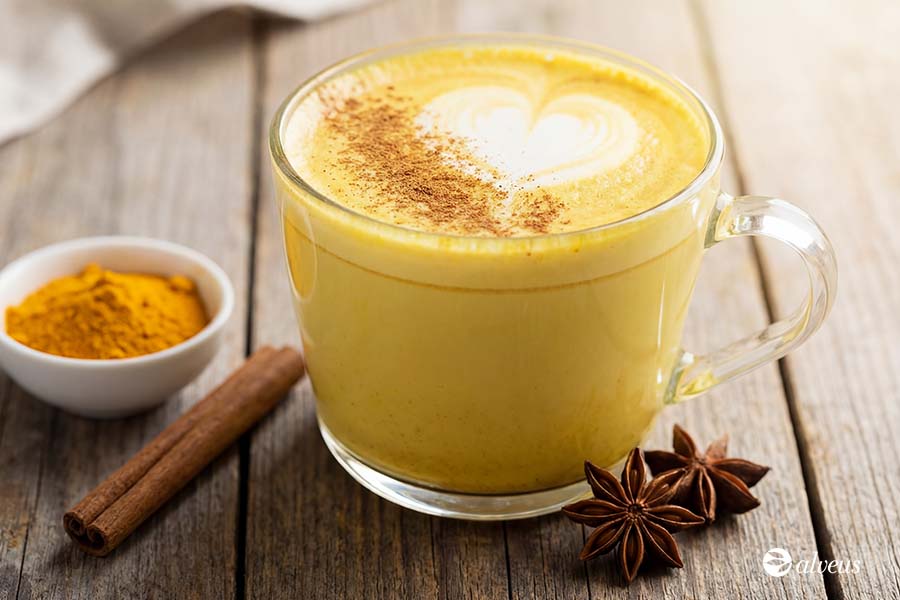
Golden milk, also known by many names such as golden latte, turmeric latte, haldi milk and others, is a drink made from turmeric and spices, traditionally combined with milk or plant-based drinks.
Its name refers to the characteristic golden colour provided by turmeric and its long association with well-being in the Ayurvedic tradition.
In the professional environment, this product is positioned as a versatile, comforting and caffeine-free functional drink!
This combination of functionality, flavour, and aesthetics has established Golden Latte as a stable and profitable reference in tea, infusion, and spice business catalogues.
Origin of golden milk: Ayurveda and Indian tradition
Golden milk originated in India, where it forms part of the Ayurvedic tradition, one of the oldest systems of knowledge in the world. In its original context, this drink is traditionally known as haldi milk or haldi doodh, in reference to turmeric (“haldi” in Hindi), the central ingredient in the recipe.
The traditional Ayurvedic golden milk recipe combines hot milk with turmeric and spices and was consumed regularly as part of the domestic routine, especially at night. It was not an occasional drink, but a homemade preparation integrated into Indian culture.
Over time, this recipe was adapted outside its original context, giving rise to what we now know internationally as golden milk or golden latte.
From haldi doodh to golden latte: adaptation to the current market
With the rise in global interest in natural ingredients, the traditional golden milk recipe was reinterpreted in the Western world under the names golden milk or golden latte. This adaptation allowed the drink to be adjusted to new consumption habits, standardised formats and broader flavour profiles, while maintaining its spicy identity and characteristic colour.
Today, golden milk is a clear example of how an ancient recipe can be transformed into a modern and profitable product.
Ingredients of classic golden milk
When discussing the ingredients of golden milk, it is important to differentiate between the traditional recipe and modern formulations designed for the professional channel. In its classic version, this golden drink is composed of:
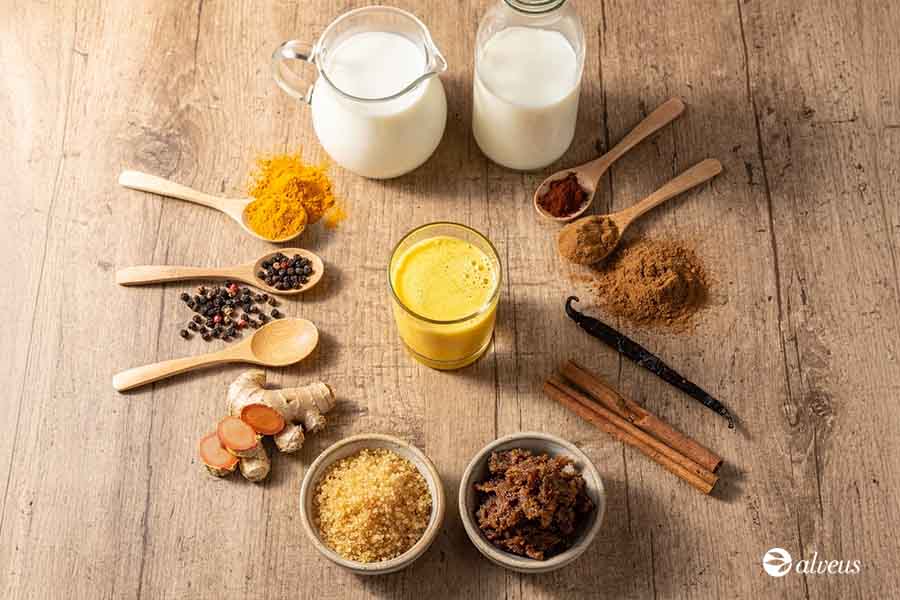
- Turmeric: the base of the drink and responsible for its characteristic golden colour.
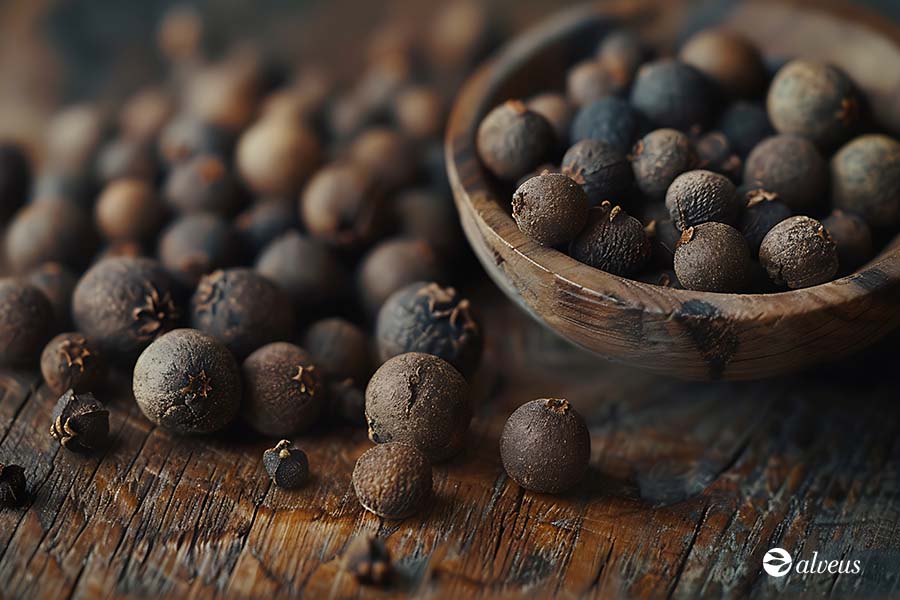
- Black pepper: traditionally used to enhance and activate the beneficial properties of turmeric.
- Complementary spices: ginger, cinnamon or vanilla, which add aromatic complexity.
- Milk or plant-based base: adapted to current consumption habits, from cow’s milk to plant-based alternatives.
- Natural sweetener (optional): coconut sugar, panela or other options, to balance the flavour without masking the spices.
Combinations such as milk with turmeric, ginger and cinnamon (turmeric latte) remain highly recognisable and effective in professional settings, while modern formulations allow for more refined and consistent profiles.
Keys to professional preparation
To obtain a professional-quality golden latte:
- Heat the liquid base without boiling, avoiding bitter notes.
- Add the mixture gradually, ensuring it dissolves evenly.
- Whisk or steam to achieve a creamy texture and a neat presentation.
- Adjust sweetness and concentration according to the target audience.
Flavour and sensory profile of golden milk
The sensory profile of golden milk is a key factor in its success in the professional channel. When correctly formulated, it offers a balanced and recognisable experience:
- Warm: comforting and easy to consume at any time of day.
- Spicy: with notes of turmeric, ginger, cinnamon or vanilla, which add aromatic complexity.
- Slightly sweet: softened by natural sweeteners such as coconut sugar or panela, without masking the spices.
- Balanced: no single note dominates, making it easy for different customer profiles to accept.
Turmeric adds depth and colour, while the spices and aromatic elements round off the blend, creating a pleasant and comforting drink.
This sensory profile makes it easy to incorporate golden milk into catalogues, even for customers who are unfamiliar with turmeric, ensuring a consistent, quality experience.
Why golden milk is an established trend
It is perceived as a functional beverage, traditionally attributed with anti-inflammatory, digestive, and wellness properties thanks to turmeric and spices.
Its lack of caffeine extends the moments of consumption, positioning it as a suitable alternative for consumption in the afternoon or evening.
Furthermore, its natural profile, based on plant-based ingredients (milk with turmeric, ginger and cinnamon), connects with trends such as conscious consumption and interest in products with identity.
Golden latte blends and preparations
The evolution of the golden latte has given rise to multiple blends, designed to facilitate its integration into professional environments. The current market favours stable and balanced formulations that guarantee consistency and efficiency in service.
Ready-to-prepare blends ensure a consistent aromatic profile, simplify dosing and reduce preparation times.
Exotic Golden Latte: a distinctive interpretation
At Alveus, we have developed an innovative proposal based on this booming drink, designed specifically for the professional channel: Exotic Golden Latte.
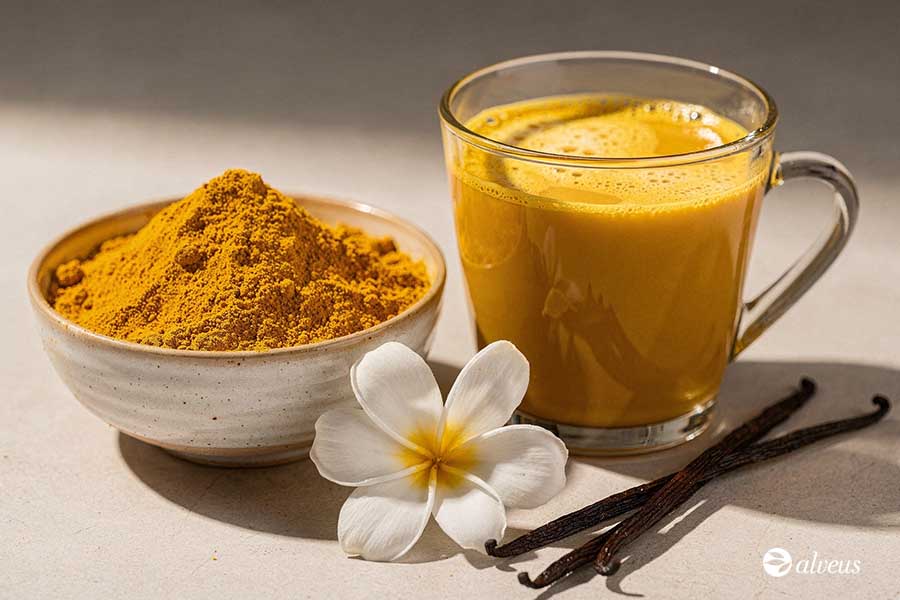
A blend combining ingredients from certified organic crops, carefully selected to offer its characteristic warm, spicy and slightly sweet profile, with an elegant and distinctive character.
Turmeric adds colour and depth, black pepper accompanies the formulation, coconut blossom sugar softens the whole and vanilla balances the aromatic profile, resulting in a harmonious and irresistible blend.
The result is a spice blend designed for businesses looking to differentiate their catalogue, offer a contemporary, innovative and exotic product, and develop a functional drink with its own identity.
Other uses for golden milk
Golden milk is not limited to the traditional cup format. Its aromatic, visual and functional profile allows for a wider range of uses and new moments of consumption.
Thanks to its spicy base and characteristic colour, golden milk can be easily integrated into:
- Smoothies and cold drinks, adding identity and differentiation.
- Baking recipes or creative cuisine, as an aromatic ingredient.
- Special or seasonal drinks, adapted to campaigns or temporary menus.
- Own lines of functional products, both in beverage format and in derivative preparations.
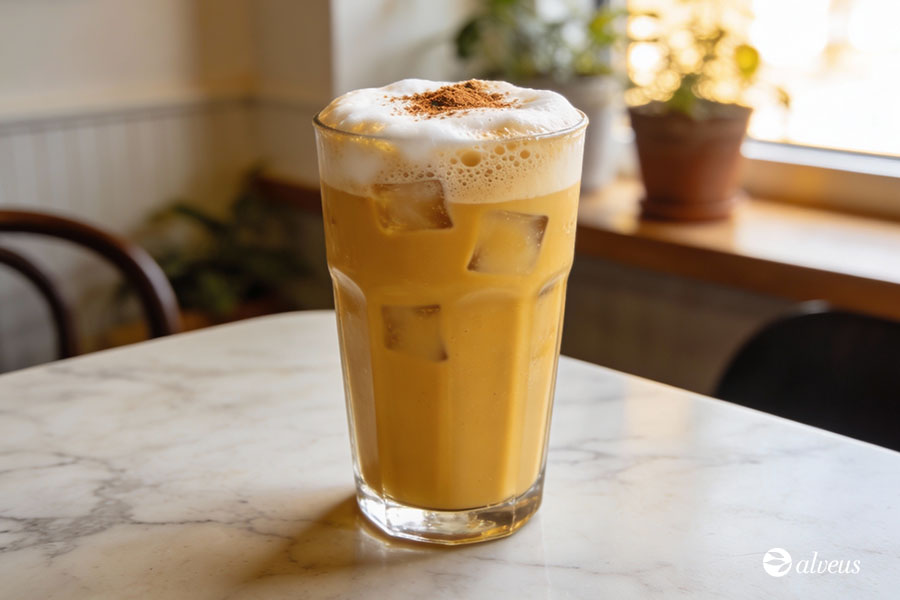
This versatility makes the golden drink a strategic tool within the professional catalogue, capable of generating new value propositions and reinforcing the coherence of an offering geared towards wellbeing and innovation.
A strategic category for the professional channel
Golden latte has proven to be much more than a passing trend.
For specialised businesses, golden milk represents a real opportunity for differentiation, capable of adding value to the catalogue and connecting with an audience increasingly interested in natural, caffeine-free products with a narrative.
Whether through classic formulations or more contemporary interpretations, such as Alveus’ Exotic Golden Latte, this drink allows businesses to work with current offerings that are aligned with market expectations.