

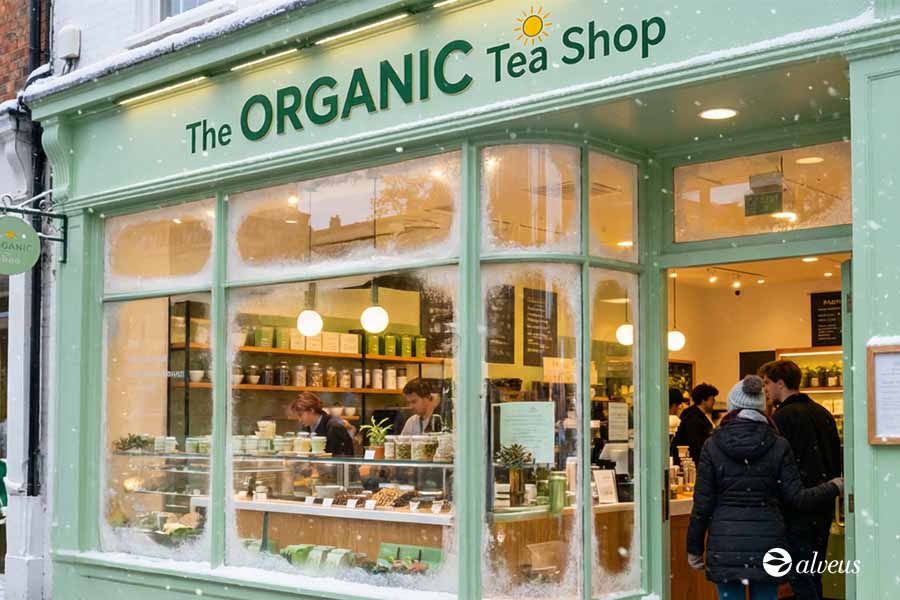
Winter changes the pace of tea and herbal tea consumption. Customers are looking for “something to warm them up” that also fits in with their daily routine.
In physical shops and e-commerce tea stores, visits and repeat orders increase. It is a time when there are fewer impulse or trial purchases and more repeat purchases of favourite flavours.
The best sellers in winter tend to be based on three very simple factors: a recognisable aromatic profile, an easy-to-tell story and a sensation in the cup that invites another round.
At Alveus, we see this every season because we work with thousands of professionals who rotate stock daily and refine their selections based on sales. In addition, with an extensive catalogue and the widest range of organic products on the market, there is enormous scope for building a coherent winter assortment.
Below, we will review the ingredients that are most commonly found in winter blends and then go into detail about some of the organic teas and infusions most in demand by our customers at this time of year.
Which ingredients are most sought after in winter (and why they sell)
In winter, the palate tends to gravitate towards warmer, more “full-bodied“ flavours. Roasted, spicy or creamy profiles are sought after, and round, lasting cups are preferred over very fresh or acidic notes. That is why certain ingredients are so common at this time of year, as they are the ones that best suit this type of consumption.
Warm spices (ginger, cardamom, cloves, pepper, etc.) work because they give the cup volume and a “warm” sensation. On the shelf, the word “spices” is instantly understood: customers know what to expect even before they smell the product.
Aniseed and liquorice, meanwhile, are winter staples. They provide natural sweetness, soften herbal blends with balsamic notes and allow you to offer pleasant infusions without resorting to overly obvious flavours. In markets where the public appreciates “traditional” flavours, they are a sure-fire hit.
Mint and eucalyptus often appear when the weather changes. They are traditionally associated with a feeling of clear breathing and freshness in the mouth, something that many consumers seek at this time of year.
Flowers such as lime blossom, calendula, lavender and cornflower add an emotional component: “calm cup”, “sofa cup”, “night cup”… In stores, this type of narrative sells because it responds to a moment in the day with a simple and understandable story.
And finally, there are winter fruits: apples, hibiscus, rosehips, citrus fruits… They provide a pleasant acidity, intense colour and a “dessert in a cup” format that is also very helpful in the hospitality industry and for impulse sales, especially when an aroma sample is offered or served in a glass teapot.
With this in mind, let’s take a look at the products that are most frequently ordered in winter.
Black tea: Winter Love ORGANIC
See our B2B shop for professionals
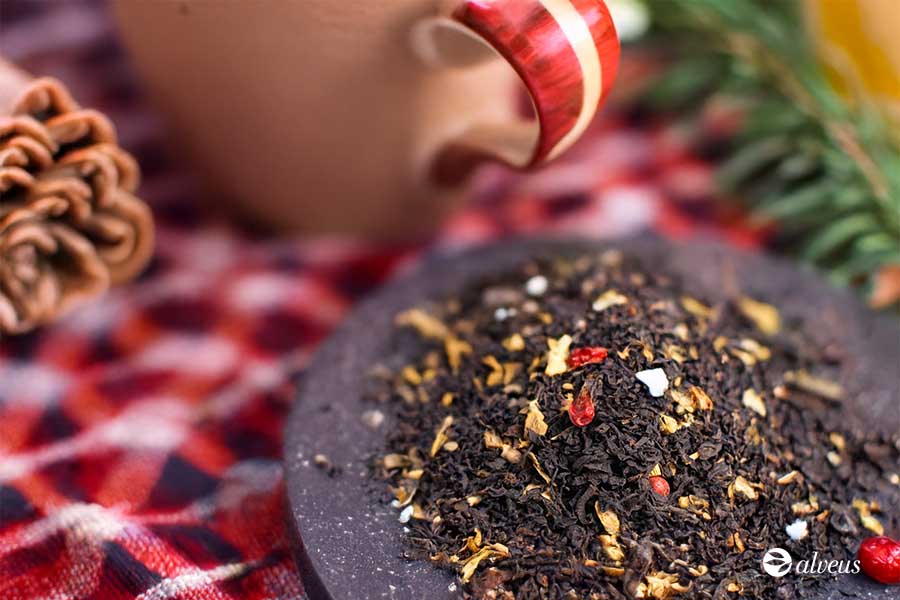
Ingredients: Assam black tea*, -South India*, ginger*, liquorice root*, pink pepper*, cardamom*, cloves*, ground ginger*, ground cardamom*, ground cloves*, guarana*. *Organically grown products.
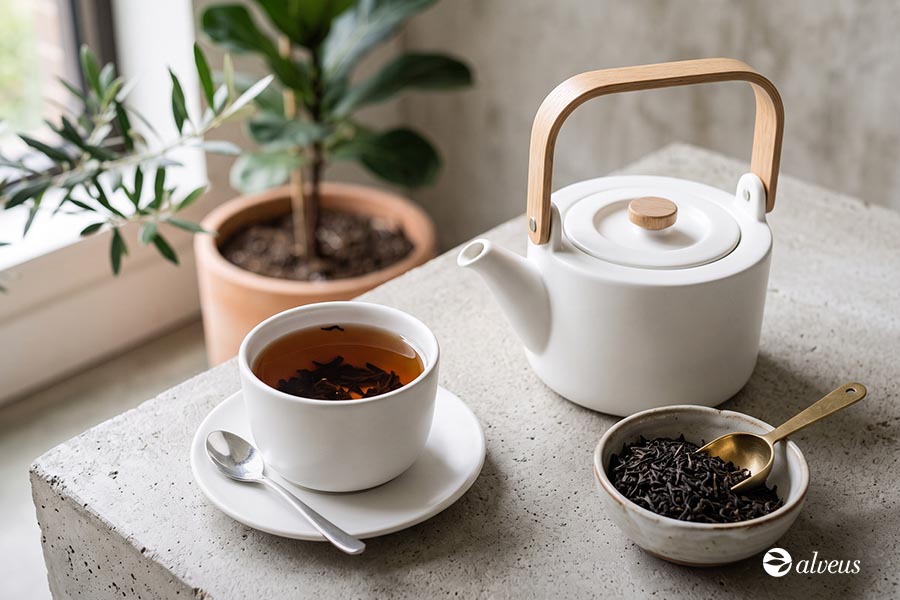
Winter Love ORGANIC is popular for one simple reason: it is a classic chai with ingredients that give it a “warmer” flavour.
The Assam and South India black tea base provides body and structure. Ginger and the trio of cardamom, cloves and pink pepper create an elegant spicy profile with a hint of sparkle. And liquorice rounds off the whole thing: it makes the first sip pleasant and leaves a slightly sweet aftertaste, which greatly reduces the “fear” of very spicy blends in shops.
For professionals, this tea has the commercial advantage of positioning itself on its own. It fits as an alternative to chai when the customer wants spices but is not looking for the milky profile or dominant cinnamon typical of other recipes.
Green tea: Hojicha ORGANIC
See our B2B shop for professionals
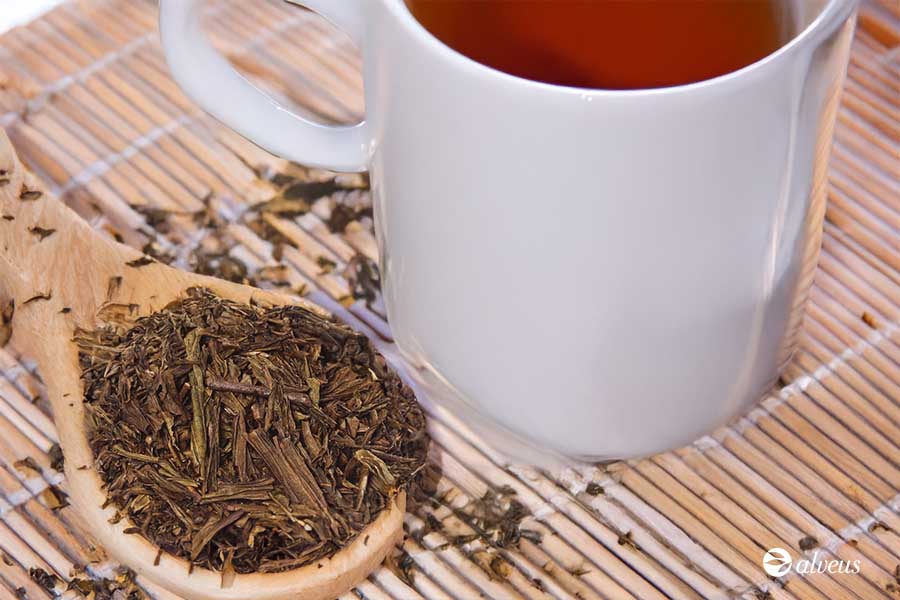
Hojicha is one of those products that, when introduced properly, goes from being a “Japanese rarity” to a “staple” in a single season.
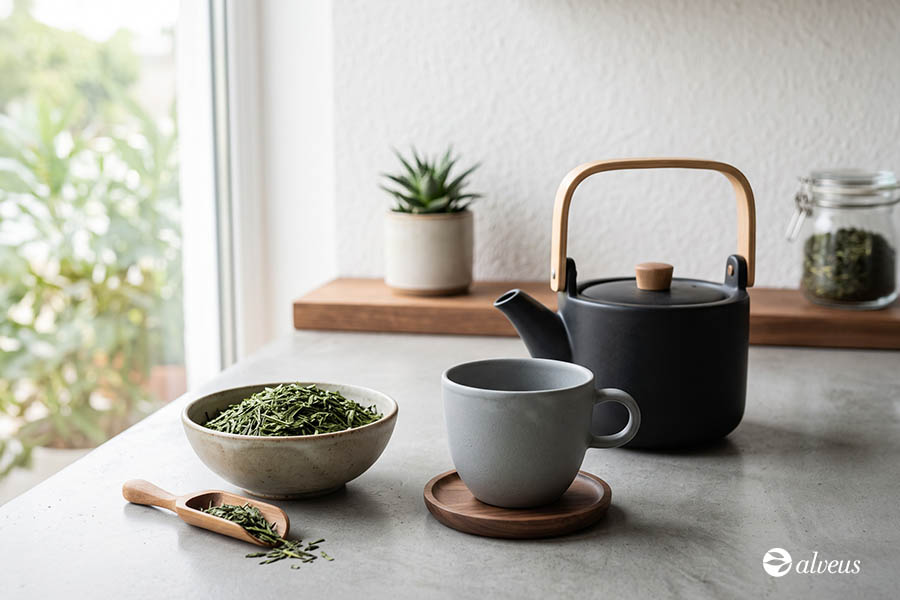
Its main distinguishing feature is the roasting process. This green tea loses the concept of “vegetable green” to become a roasted, smooth cup with notes reminiscent of cereal, nuts or lightly toasted bread.
Hojicha is a low-caffeine tea compared to other teas. In winter, the number of cups consumed increases, which is why this tea is appearing more and more in orders.
In the afternoon and evening, people like to prepare something hot to drink, but not everyone wants caffeine at those times. Hojicha offers a more moderate tea experience, so it fits into everyday consumption without the customer feeling like they are giving anything up.
Herbal tea: Anis - Mint ORGANIC
See our B2B shop for professionals
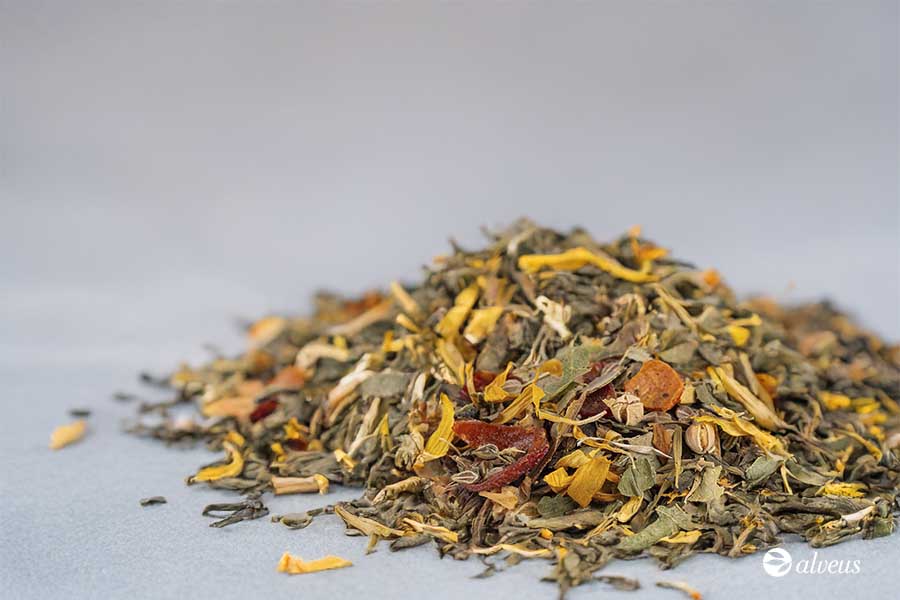
Ingredients: Aniseed* (46%), lime blossom*, peppermint* (11%), rosehip*, liquorice root*, thyme*, eucalyptus*, mint* (5%), star anise* (4%), marigold*. *Organically grown products.
Anis – Mint ORGANIC is, in commercial terms, a very pleasing blend: aromatic, recognisable and with a profile that is understood at first sniff. Aniseed is the star of the show (and rightly so, with 46%), and that makes all the difference: it is not “a herbal tea with a hint of aniseed”; it is a well-constructed aniseed herbal tea.
Peppermint and eucalyptus add that fresh sensation that consumers often associate with winter, especially in times of sudden temperature changes. Thyme reinforces the herbal side, and lime blossom adds a softer, “afternoon cup” nuance. Liquorice and rosehip round off the blend so that it is not too sharp.
Why is it so popular? Because it is ideal for everyday use: after meals, between meals or in the evening, when customers want something herbal with a clear flavour and a hint of balsamic.
Herbal tea: Mountain Reverie ORGANIC
See our B2B shop for professionals
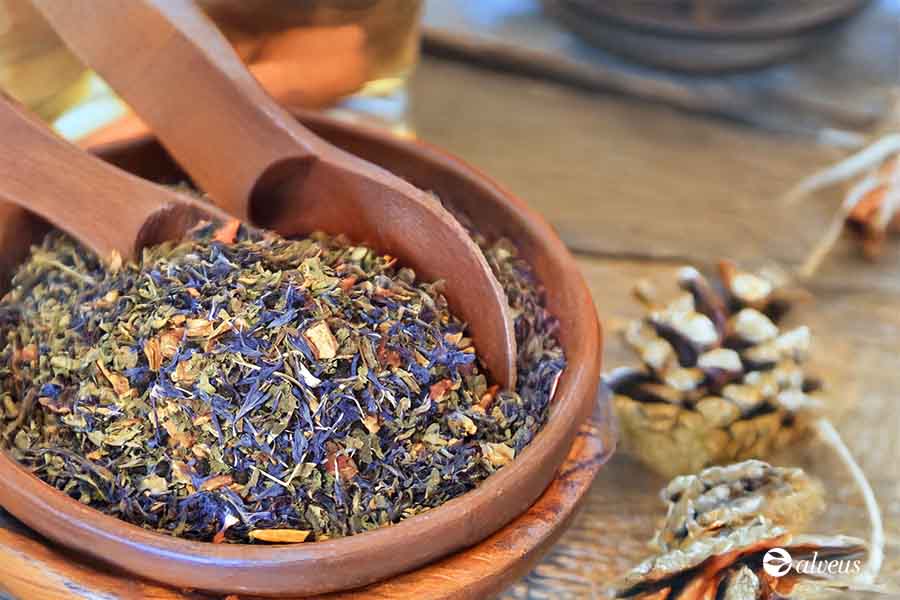
Ingredients: Apple*, lemon balm*, lime blossom*, elderberry*, lady’s mantle*, thyme*, centaury*, purple coneflower*, cornflower*, sage*. *Organically grown products.
Mountain Reverie ORGANIC is one of our best-selling blends in winter. Its aroma, both unbrewed and in the cup, is reminiscent of the freshness of the countryside. That freshness becomes comforting once you drink it.
Its ingredients are traditionally used to care for the throat and to rest when colds strike.
The apple provides a smooth and slightly sweet base, which makes it easy to drink. Lemon balm and lime blossom give the blend a calm, afternoon feel. The rest of the herbs and flowers create a more complex profile, with green and floral notes that emerge as you drink.
Herbal tea: Winterelixir ORGANIC
See our B2B shop for professionals
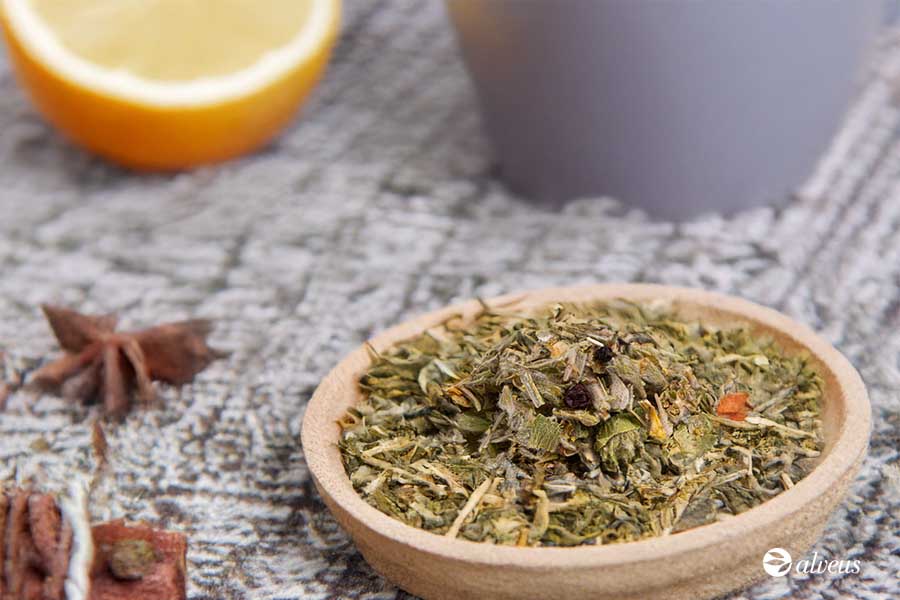
Ingredients: Sideritis species*, aniseed*, lemon peel*, lime blossom*, elderberry*, elderflower*, thyme*. *Organically grown products.
Organic Winter Elixir has a profile that is very typical of the European winter, herbal and slightly citrusy, with a spicy base that provides warmth without being heavy.
Sideritis, known in many places as “mountain tea”, adds character and a distinctive herbal base. Anise softens and rounds off the flavour, while lemon adds a touch of freshness so that the blend is not too “green”.
The combination of lime blossom, thyme and elderflower completes a blend that consumers recognise as perfect for the cold season.
Rooibos: As Light as the Wind ORGANIC
See our B2B shop for professionals
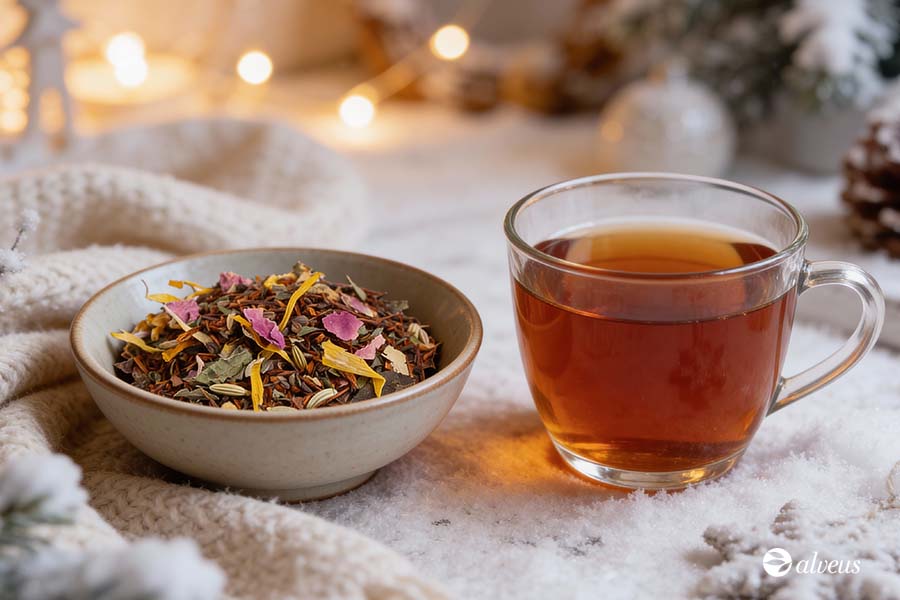
Ingredients: Natural rooibos*, natural rooibos*, fennel*, aniseed*, peppermint*, lime blossom*, natural peppermint flavouring, marigold*, rose petals*. *Organically grown products
Rooibos is a base that works very well in all channels because it appeals to a wide range of consumers, including those who avoid caffeine. However, here it has not been used in the typical “vanilla-caramel” flavour that dominates so many recipes, but rather in a more herbal and fresh profile.
Fennel and aniseed add roundness and a mild sweetness. Mint introduces lightness. The flowers (thyme, calendula, rose petals) add a delicate, almost “clean” sensation that contrasts nicely with the typical excesses of the season (heavy meals, sweets, longer dinners).
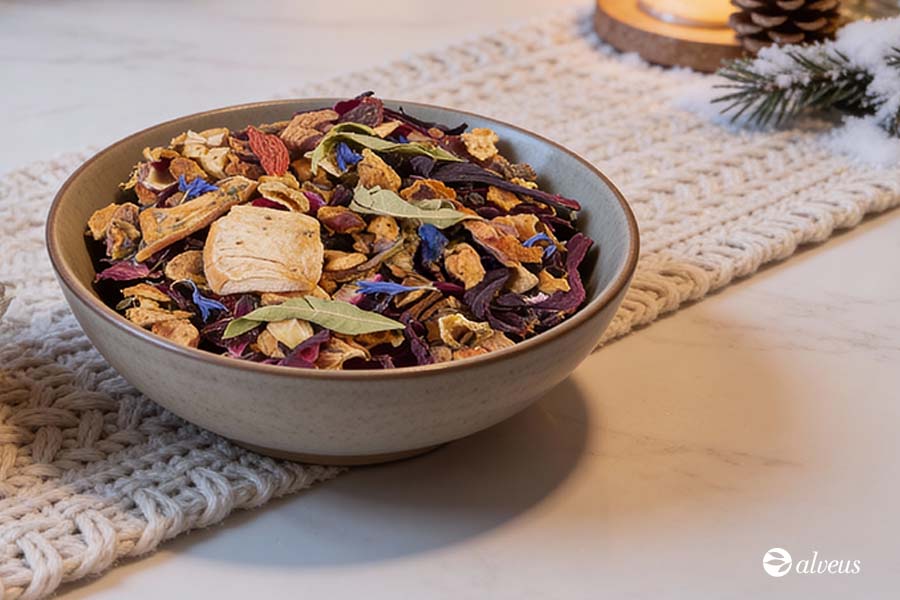
Fruit infusion: Cool Winter BIO
See our B2B shop for professionals
Ingredients: Apple*, hibiscus*, aniseed*, mint*, rosehip*, orange peel*, apple pieces*, goji berries*, whole verbena*, natural aniseed flavouring, cornflower*. *Organically grown products.
Cool Winter BIO is the perfect example of why fruit infusions are not just “for summer”. In winter, a well-designed fruit infusion becomes an alcohol-free punch, with intense colour, recognisable aroma and a sensation that fills the cup.
Here, apple and hibiscus provide body and a well-balanced acidity, while aniseed and mint completely change the sensation in the mouth. It is a fresh blend with a sweet background in which liquorice can be detected, thanks to the aromatic combination and the aniseed itself.
Orange peel reinforces the wintry character, and verbena adds a clean note that prevents the infusion from becoming heavy. Goji berries also provide an attractive visual nuance and a small storytelling element that many shops take advantage of in their descriptions.