

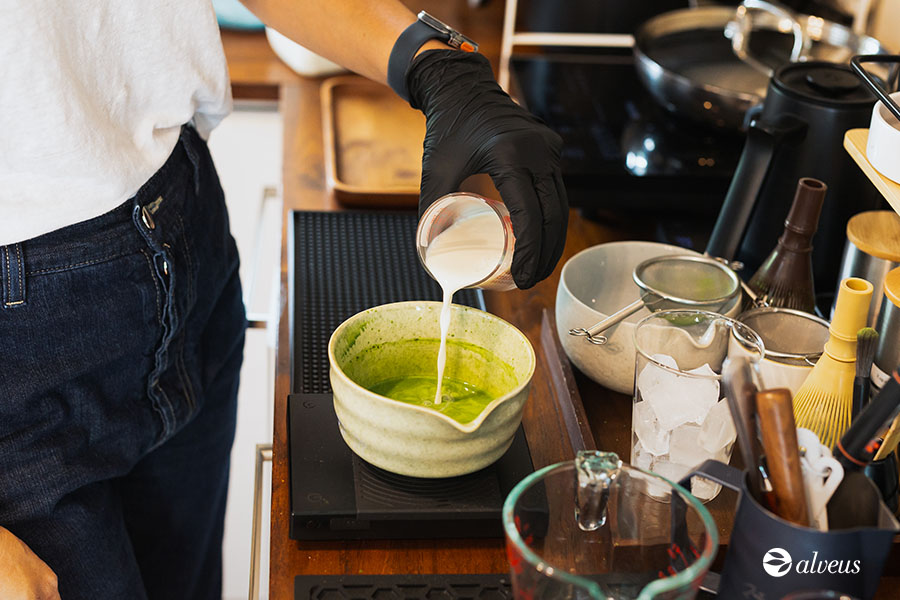
Today, the ways to enjoy matcha are practically endless. However, when it first became popular in the West, it was drunk by a small audience who mainly prepared it the traditional way, with water or as a matcha latte.
Over the years, matcha has grown in popularity to become a regular feature on café menus and in all kinds of recipes. More and more people are drinking it and are keen to try new ways of preparing it.
Flavoured matchas open up these possibilities even further. Fruit, nut, or dessert flavours can soften the perception of the tea’s vegetal notes and make it more appealing to people who are not yet used to matcha.
At Alveus, we have created a collection of seven varieties made with excellent-quality Chinese ceremonial matcha: Strawberry, orange, mango, passion fruit, pineapple, hazelnut, and blueberry cheesecake.
All of them can be used to make matcha lattes, but they also have interesting applications in cold drinks, smoothies, and baking.
If you run a tea shop, these ideas can help you give your customers better recommendations, answer questions about preparation and give consumers more reasons to use the product at home.
Hot and iced matcha lattes: the most popular preparation
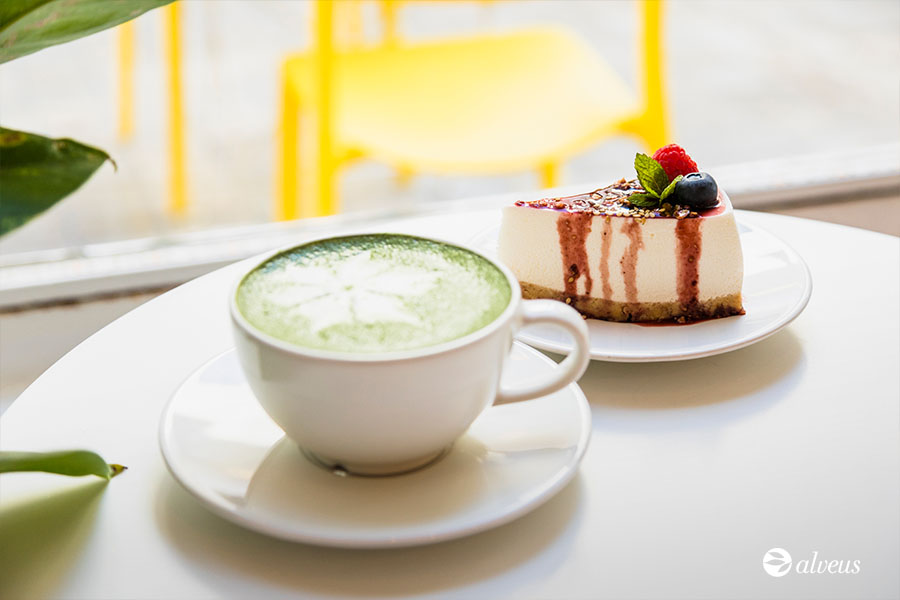
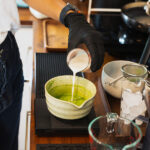
The matcha latte is probably one of the simplest ways to introduce matcha to new consumers. Milk or plant-based drinks add a creamy texture and make the fruity, sweet flavours particularly enjoyable.
It is also easy to make at home, which is worth explaining to customers buying matcha for the first time.
Basic matcha latte recipe
Ingredients for one cup:
- 1–3 g of flavoured matcha.
- 30 ml of hot water at around 80 °C.
- 150–200 ml of milk or plant-based drink.
- Sweetener to taste, if desired. (Our flavoured matchas have a delicious flavour without the need to add sweeteners.)
Preparation:
- Place the matcha in a cup or bowl.
- Add the hot water and whisk with a chasen or small whisk until smooth.
- Heat the milk or plant-based drink without bringing it to a boil.
- Pour the milk into the matcha and stir gently.
To make an iced matcha latte, use cold milk and add ice to the glass before pouring in the dissolved matcha.
Which flavours should you recommend?
Hazelnut Matcha is particularly tempting with oat milk, which adds a creamy texture that goes well with its toasted notes.
Blueberry Cheesecake Matcha is an interesting option for anyone who enjoys drinks reminiscent of classic desserts.
For fruit lovers, Strawberry Matcha offers a sweet, fruity alternative that is also delicious over ice.
Matcha frappés: a creamy alternative for hot days
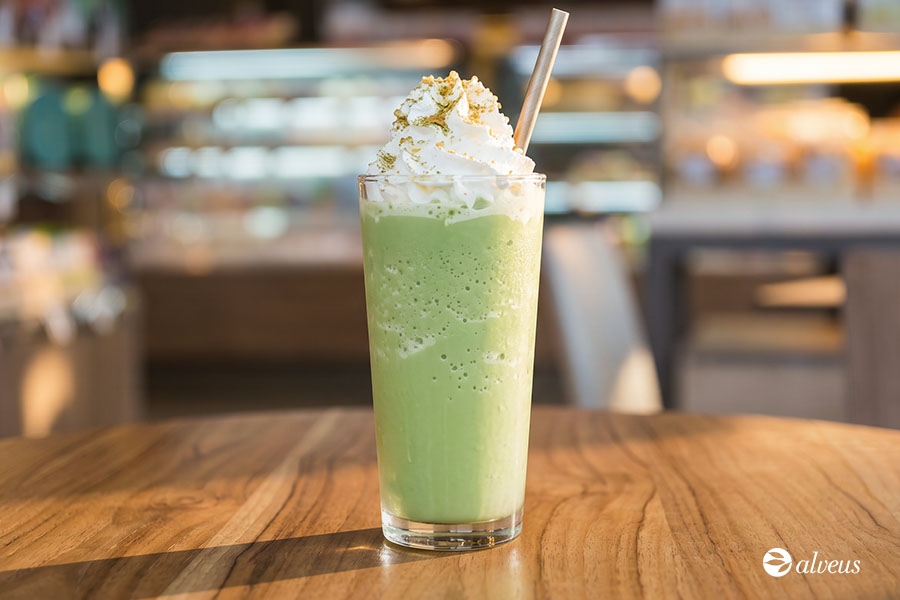
A frappé is a cold drink made by blending ice with milk, coffee, tea or other ingredients. It has a thicker texture than an iced latte and can be reminiscent of a creamy slushy.
Flavoured matchas work particularly well in this kind of preparation because they allow you to create drinks with different profiles without having to add several flavoured syrups.
Hazelnut matcha frappé recipe
Ingredients for one serving:
- 2–3 g of Hazelnut Matcha.
- 120 ml of milk or plant-based drink.
- 100 g of ice.
- 20 ml of hot water at 80 °C.
- Sweetener to taste, optional.
Preparation:
- Dissolve the matcha in the hot water.
- Put the milk and ice in a blender.
- Add the dissolved matcha and blend until smooth and creamy.
- Serve immediately in a tall glass.
For a thicker version, slightly reduce the amount of milk. If you prefer a lighter drink, add a little more.
This same recipe can be made with Blueberry Cheesecake Matcha, a particularly interesting variety for creating dessert-inspired drinks.
You can also use Mango Matcha or Strawberry Matcha to create fruity frappés.
How to recommend it in a tea shop
Many consumers are familiar with the matcha latte but may never have thought of making a frappé at home. You could tell them:
“If you like creamy cold drinks, try blending this matcha with milk and ice. In under five minutes, you’ll have a delicious frappé.”
This recommendation encourages customers to use their matcha on more occasions, especially during the warmer months.
Matcha smoothies: fruit and tea in one recipe
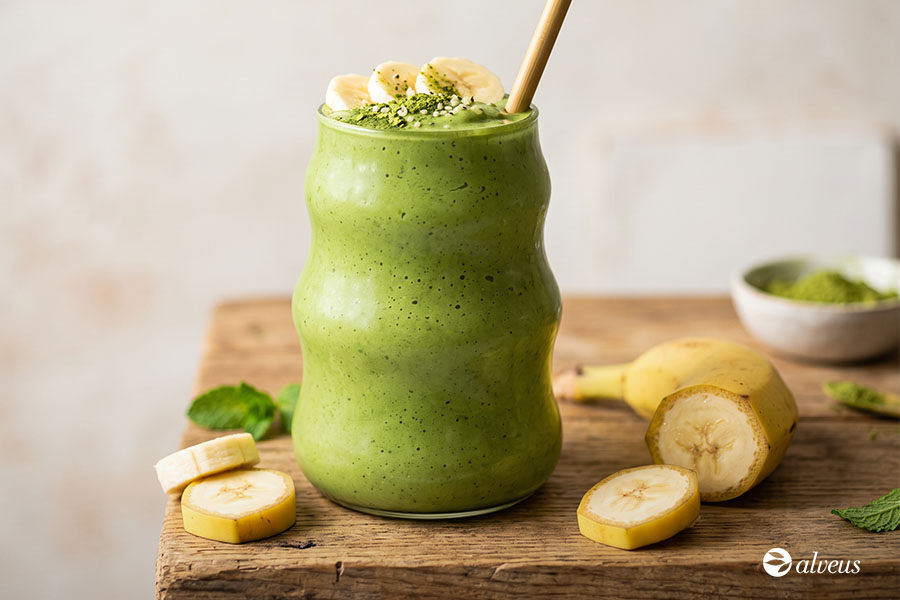
Smoothies are another interesting use for flavoured matchas. Unlike frappés, they usually include blended fruit, which adds body and natural sweetness.
It is best to choose fruits that go well with the flavour of the matcha, without adding too many ingredients. A simple recipe is easier to repeat and recommend.
Tropical matcha and mango smoothie recipe
Ingredients for one serving:
- 3 g of Mango Matcha.
- 100 g of ripe mango.
- Half a banana.
- 120 ml of plant-based drink or milk.
- 20 ml of hot water at 80 °C.
- Ice to taste.
Preparation:
- Dissolve the matcha in the hot water.
- Put the mango, banana, and milk or plant-based drink in a blender.
- Add the matcha and blend until smooth.
- Add ice if you want a colder drink and blend again.
The result is a tropical-tasting smoothie, with the mango adding sweetness and the banana helping to create a creamier texture.
Other combinations worth trying
Strawberry Matcha + banana
A combination of familiar flavours that can be particularly appealing to people new to matcha.
Pineapple Matcha + mango
A very fruity option for making tropical-inspired smoothies. It can be made with cold water or a plant-based drink, depending on the texture you want.
Passion Fruit Matcha + banana
Banana can balance the slightly tart character of passion fruit and give a smoother texture.
Preparation tip: use ripe fruit and taste the smoothie before adding any sweetener. The sweetness of the fruit, together with the composition of the flavoured matcha, may make extra sugar unnecessary.
For tea shops, these recipes are particularly useful because they show consumers that matcha can be part of preparations they already know and enjoy regularly.
Refreshing dairy-free drinks: matcha with water, ice and fruit
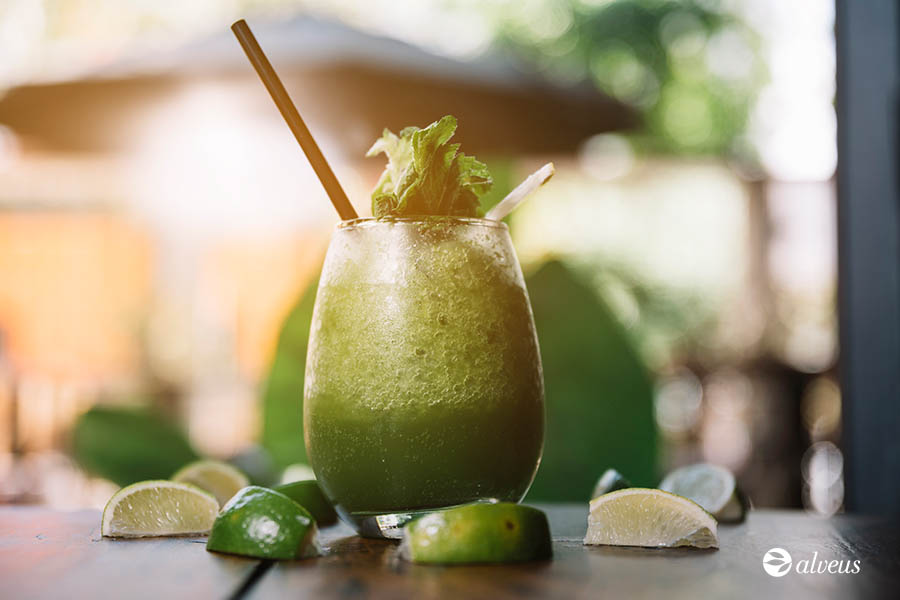
Not all consumers want to make their matcha with milk. Some prefer lighter drinks, especially when it’s hot. Fruity matchas are ideal for this type of preparation because they can be combined with cold water, ice and small touches of fruit.
Iced tropical matcha recipe
Ingredients for one glass:
- 2 g of Passion Fruit Matcha.
- 30 ml of hot water at 80 °C.
- 150–180 ml of cold water.
- Ice.
- A slice of lime or a few mint leaves, optional.
Preparation:
- Dissolve the matcha in the hot water.
- Fill a glass with ice.
- Add the cold water, then the dissolved matcha.
- Stir and serve immediately.
You can also make this drink with Pineapple Matcha or Mango Matcha, which are particularly suitable for anyone who enjoys tropical flavours.
Can it be made directly with cold water?
Yes, although it is important for the powder to disperse properly.
One option is to use a small electric whisk. Another is to put the matcha and cold water in a cocktail shaker or a container with a lid and shake vigorously.
An idea to boost sales over the summer
A shop could offer small tastings of iced matcha prepared with water and ice. It’s a way to introduce the product to people who don’t usually drink milk or who think matcha should always be drunk hot. Pineapple, mango, and orange are the flavours that may work best.
Flavoured matcha in baking: sponge cakes, biscuits, creams, and desserts
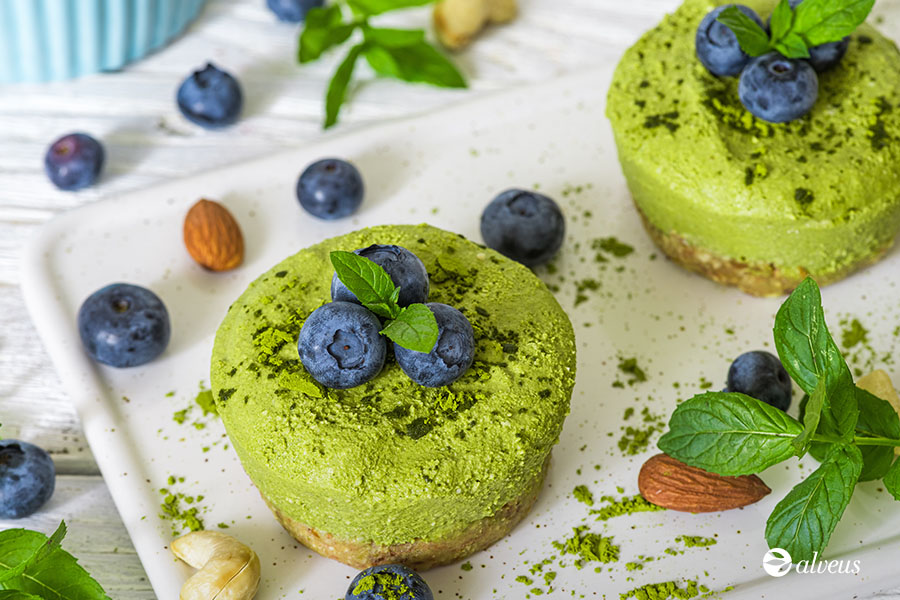
Flavoured matchas can also be used as baking ingredients, especially in recipes where you want to add a hint of tea combined with fruit, nuts or dessert-inspired flavours.
However, there is an important difference compared with drinks.
The amount of matcha needed in a baking recipe depends on the volume of ingredients, the desired intensity and the composition of the product. In addition, the heat of the oven can alter the aroma and colour of the matcha.
That’s why it is advisable to start with moderate amounts and do small tests before using it in larger recipes.
How do you add matcha to a dough or batter?
For sponge cakes, muffins and biscuits, the most practical approach is to mix the matcha with the dry ingredients first. Sifting it with the flour will help you distribute it evenly and prevent small clumps of powder from forming in the mixture.
As a starting point for testing at home, you can use 5–10 g of flavoured matcha per 200 g of flour, then adjust according to the result and your personal taste.
This ratio is a guide for experimenting, not a definitive product dosage.
In doughs that require long baking times or high temperatures, the flavour may lose intensity. When you want the aroma to really stand out, it may be better to add it to toppings or creams that don’t need baking.
Cheesecake matcha cream recipe for desserts
This cream can be used to fill tartlets, accompany sponge cakes or decorate dessert glasses.
Ingredients for about four small servings:
- 200 g of cream cheese.
- 100 g of plain Greek yoghurt.
- 5 g of Blueberry Cheesecake Matcha.
- 20 ml of hot water at 80 °C.
- Icing sugar to taste, if needed.
Preparation:
- Dissolve the matcha in the hot water and leave it to cool slightly.
- Mix the cream cheese with the yoghurt until smooth.
- Add the matcha gradually, stirring well.
- Taste the mixture and adjust the sweetness if necessary.
- Chill before using.
You can serve it in small glasses topped with a few fresh blueberries.
Other interesting uses for flavoured matcha in baking
Hazelnut Matcha biscuits
Its sweet, toasted notes go well with butter-based doughs or bases containing nuts. It is best to sift the matcha with the flour before mixing.
Sponge cake with Orange Matcha
The orange flavour works well in classic sponge cake batters. To enhance the fruity character, you can add a little fresh orange zest.
Cold cream with Strawberry Matcha
It can be used to make tartlet fillings, desserts in a glass or simple toppings. No-bake recipes help preserve the more delicate nuances of its flavour.
Mango Matcha cheesecake
A no-bake cheesecake can be a good base for adding Mango Matcha to the cream. You can also top it with fresh mango.
Three important tips for baking
- Avoid lumps. Sift the matcha or dissolve it first in a small amount of liquid, depending on the type of recipe.
- Don’t add too much at the start. It is better to start with a small amount and adjust after tasting the result. Too much matcha can upset the balance of the other flavours.
- Bear the heat in mind. The green colour and aromatic nuances can change during baking. For a more vivid visual result, consider no-bake recipes, creams and cold toppings.
In any case, before recommending a specific recipe to consumers, it is a good idea to test it with the chosen flavoured matcha. Not all formulations behave the same way in baking.