

Paprika is a spice that, when tasted, immediately evokes the flavours of traditional cuisine. Perhaps that is why it is one of the most widely used spices by chefs around the world, as it makes even the most modern recipes feel familiar to the palate.
Just a small amount is enough to change the colour of a stew, round off a sauce or add depth to a recipe that, without it, would be incomplete.
This is one of the most versatile spices, so not all paprika tells the same story. Some offer sweetness and mildness, others evoke the smoke of a wood fire, and others leave a spicier or more intense touch on the palate.
If you sell spices, this is one of the essentials that must feature in your range. We have put together this guide so you can learn more about paprika, its varieties and uses, enabling you to better advise your customers.
What is paprika
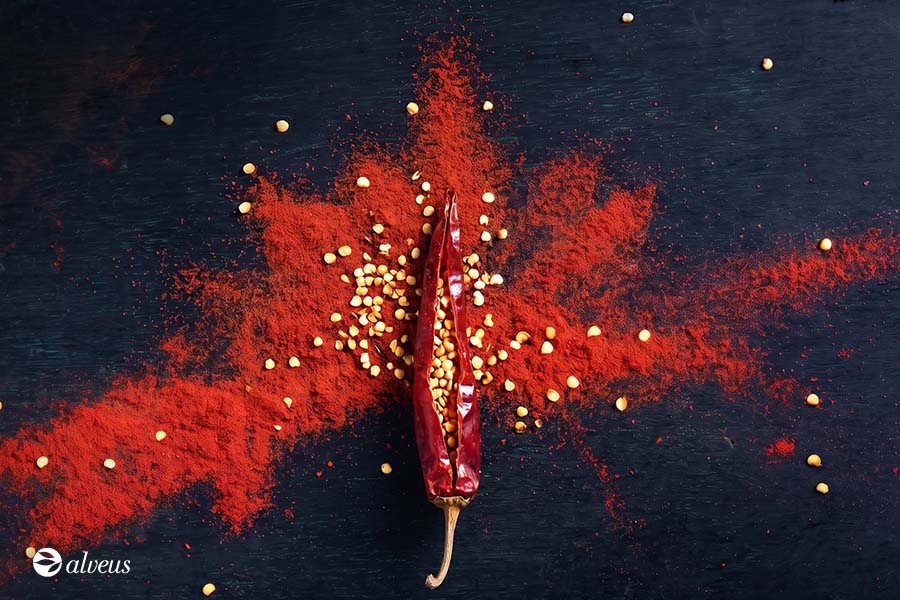
Paprika is a ground spice obtained from dried red peppers, usually of the Capsicum annuum variety. After drying, the fruits are ground into a fine red powder, which can range from bright, vivid shades to darker hues, depending on the pepper variety, the drying process and the type of grinding.
Although many people associate it with Spanish cuisine, its history is much broader. Peppers originate from the Americas and reached Europe following voyages in the late 15th century. From Spain, their cultivation and use spread to different regions, eventually becoming a key ingredient in cuisines such as Hungarian, where paprika is considered the national spice.
In Spain, paprika holds an exceptional place. It forms part of sofritos, stews, rice dishes, marinades, cured meats and preserves. It is difficult to imagine chorizo, Rioja-style potatoes, Galician-style octopus or escabeche without that red, aromatic and flavourful touch it adds to the dish.
What does paprika taste like?
As the title of this article suggests, paprika is a spice with many nuances, so its flavour depends greatly on the variety. It can be sweet, warm, slightly fruity, smoky, pungent or spicy. Generally speaking, its appeal lies in that combination of vegetable sweetness, intense colour and a spicy sensation without being overly harsh.
Sweet paprika offers a well-rounded, pleasant and highly versatile flavour. It is not intended to be spicy, but rather to add body, colour and a gentle warmth. It is the type of paprika that fits most easily into home cooking, in ready-made meal kitchens and in catering dishes.
Smoked paprika, on the other hand, adds a deeper aromatic layer. Its smoky character makes it particularly interesting for dishes where a charcoal-grilled, slow-cooked or traditional flavour is desired without the need for animal-based ingredients or lengthy processes. In plant-based cooking, for example, it can help create very flavourful profiles in pulses, mushrooms, creams and marinades.
Types of paprika: sweet, smoked and other varieties
Although there are various classifications, it is usually easier for the end consumer to understand paprika based on its flavour and use. The two most commonly consumed types of paprika are sweet and smoked, although these are not the only ones available on the market.
Sweet paprika
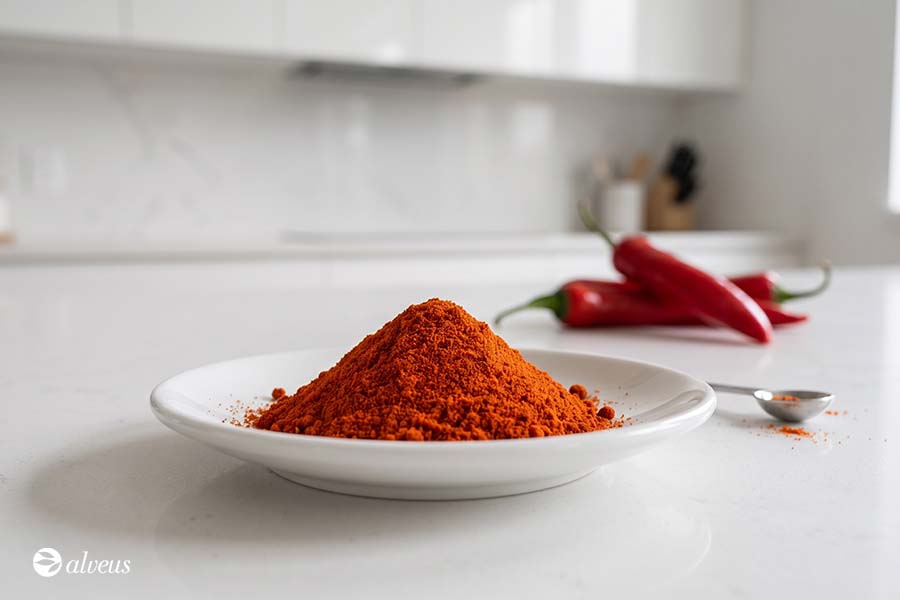
Organic sweet paprika. Alveus Ref. 50090.
Sweet paprika is the most versatile and, often, the easiest to recommend. It has a mild, slightly sweet flavour, with notes of dried pepper and a very attractive red colour.
It works particularly well in dishes where colour and warmth are desired without any heat. It is ideal for meat stews, poultry, vegetables, rice dishes, sauces, potatoes, eggs, pulses and traditional recipes. Furthermore, it also makes a good base for spice blends, as it pairs well with garlic, onion, cumin, oregano, pepper, bay leaf, thyme, and rosemary.
For bulk-sale shops, sweet paprika is an essential stock item. It is easy to explain, is frequently restocked and can be recommended both to customers cooking traditional recipes and to those preparing hummus, dressings, marinades or oven-baked dishes.
Smoked paprika
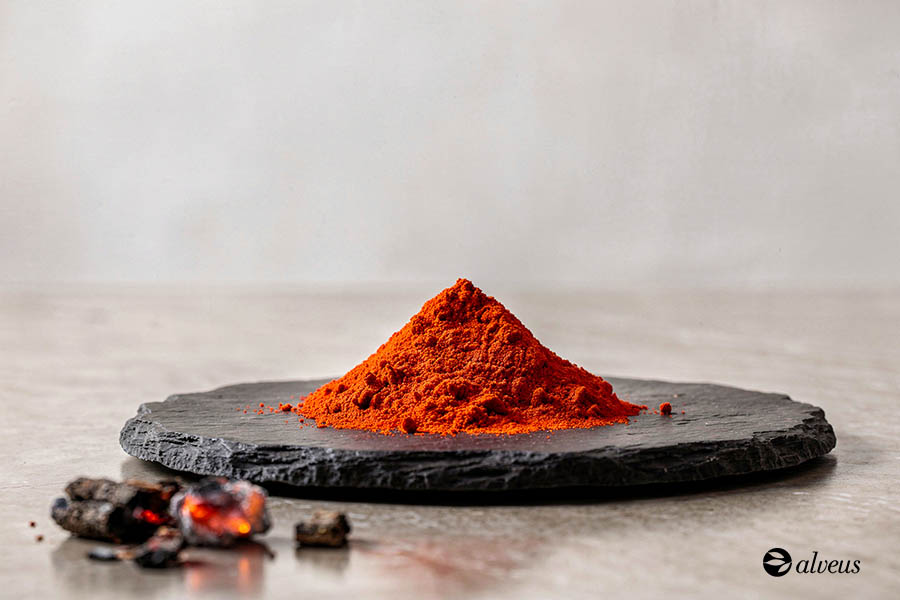
Organic smoked paprika. Alveus Ref. 50082.
Smoked paprika is a variety with a lot of character. Its character comes from the drying process, in which the peppers are exposed to wood smoke, giving it deep, warm and slightly toasted notes.
It is perfect for those seeking a more intense flavour. In the catering industry, it can be used in meat, fish, octopus, potatoes, rice dishes, sauces, spiced butters, flavoured oils and marinades. It also works very well in vegetable recipes, where it adds that sensation of slow cooking, grilling or a savoury base that is sometimes missing.
In a spice shop, smoked paprika deserves a section of its own.
For the professional customer, this difference is important. A restaurant might use sweet paprika for a basic sofrito and smoked paprika to finish a pumpkin soup, a meat sauce, a spiced mayonnaise or a vegetable dish. In small doses, it entirely changes the perception of the dish.
Hot paprika
Hot paprika is made from varieties of pepper with a higher capsaicin content, the substance responsible for the heat. Its intensity can vary greatly, so it is advisable to use it with some caution.
It is ideal for marinades, sausages, sauces, hearty stews and dishes where a ‘hot’ sensation is desired. However, it should not be confused with cayenne or ground chilli. Hot paprika usually has a more rounded and less aggressive profile, although some varieties can be quite potent.
Sweet and hot paprika
Sweet-and-sour paprika falls between sweet and hot. It has more character than sweet paprika, but without reaching the intensity of the hot variety. It can add a more complex nuance to stews, sauces, marinades and hearty dishes.
Hungarian paprika
Hungarian paprika offers another take on this spice. In Hungary, there are various classifications, ranging from mild, sweet varieties to spicier ones with bitter notes. It is an essential spice in dishes such as goulash (a type of stew) and in recipes featuring onions, meat, potatoes and sour cream.
Uses of paprika in cooking
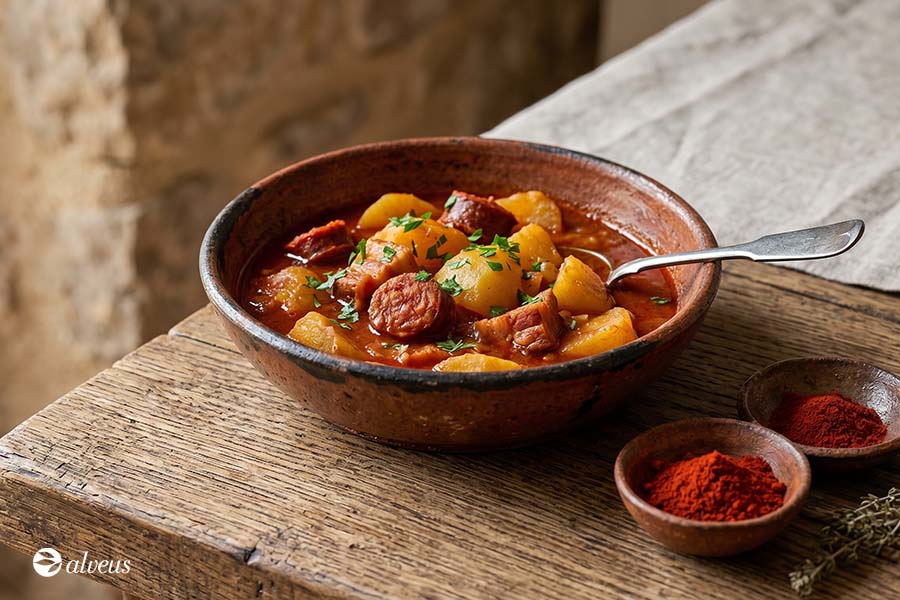
The main advantage of paprika is that it works equally well in both classic and contemporary recipes, as demonstrated by famous international chefs in their signature dishes.
In stews and stir-fries, it adds colour and depth. It is usually added to a base of oil, onion, garlic or tomato, stirring carefully so that it releases its aroma without burning.
In marinades, it pairs very well with oil, garlic, salt, vinegar, oregano, cumin or pepper. It is a classic base for meat, fish, tofu, roasted vegetables and marinated dishes.
In pulses, sweet paprika adds warmth and colour, whilst smoked paprika can give a deeper, more comforting flavour. Lentils, chickpeas, beans and vegetable soups really benefit from this spice.
In sauces and dressings, it works well in spiced mayonnaises, vinaigrettes, yoghurt sauces, flavoured butters, seasoned oils and dips. For the catering industry, it is a simple way to create visual and aromatic finishes using just a small amount of the product.
In cured meats and meat products, paprika is essential in many Iberian recipes. It adds flavour, but above all, it is indispensable for imparting that distinctive reddish colour found in products such as chorizo or sobrasada.
How to store paprika correctly
We always say it on this blog: storing teas and spices correctly is vital to enjoying them to the full. So here are a few recommendations you should be aware of.
In the case of paprika, it is not a spice that improves with time. On the contrary, it loses its aroma, colour, and vibrancy if the container is left open for too long or is stored incorrectly. This is why it should be kept in an airtight container, in a cool, dry place away from direct light.
For this reason, it’s better to buy small quantities rather than large ones in a shop.
If you’re in the hospitality industry, you should also keep it away from heat sources in the kitchen, such as ovens, hobs, or shelves near these areas.
A good tip for your customers is to buy small quantities and restock when the aroma starts to fade. With ground spices, freshness makes the difference between a dish that’s, let’s say, adequate, and a dish with soul.
Which paprika to choose and how to sell it in-store
Of all the paprika varieties available, we recommend adding two to your stock: sweet and smoked.
Sweet paprika because it is the most commonly used in cooking, and smoked paprika because it adds a distinctive touch and that gourmet flair to any dish. The hottest variety also has its following, although, due to the general low tolerance for heat, it is usually used in smaller quantities and therefore has a lower turnover.
To sell it in-store, the most effective approach is not to present it simply as ‘paprika’, but to explain what each variety brings to cooking.
The sweet variety can be recommended as the basic base for stews, pulses, rice dishes, stir-fries, potatoes, or vegetables; whilst the smoked variety is best positioned as an option with more character, ideal for those looking to add depth to a recipe without complicating it.
It also helps to offer very specific ideas for use on the shelf or on the product label: “for lentils”, “for octopus”, “for marinades”, “for roast potatoes” or “for vegetable dishes with a smoky touch”. The easier you make it for the customer to imagine the dish, the easier it will be for them to include it in their regular shopping.