

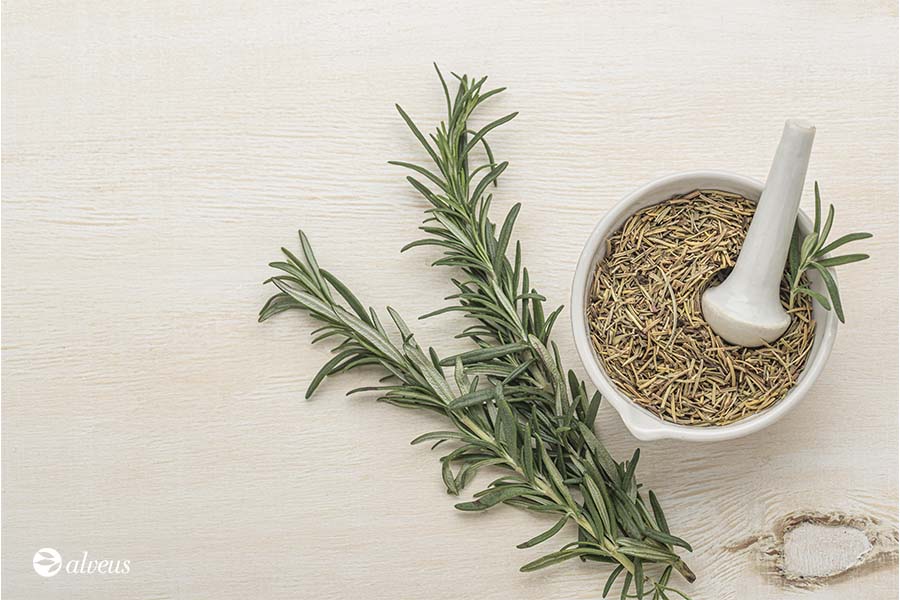
Rosemary is one of those aromatic plants that seem to encapsulate the landscape from which they come. Its scent evokes the hills, the sun, resin and slow cooking – the kind that takes time for the flavours to blend unhurriedly.
In professional catering, rosemary has a very valuable quality, as it is recognisable, stable, and versatile. It works well as a spice on its own, but also as an ingredient in tea blends and herbal teas, where it adds character, depth, and a Mediterranean note that is challenging to replace.
What is rosemary?
Rosemary, Rosmarinus officinalis, is a perennial shrub belonging to the Lamiaceae family – the same large botanical family that includes other aromatic herbs widely used in cooking, such as thyme, sage, mint, and oregano.
Its leaves are narrow, firm, and elongated, almost like tiny needles. This shape already hints at its culinary character, as it does not behave like a delicate herb such as parsley or chives, but rather as an intense, robust and distinctive aromatic plant.
It is a plant native to the Mediterranean. It thrives in dry, sunny climates and well-drained soil. This is why its aroma pairs so well with ingredients typical of Mediterranean cuisine, such as olive oil, garlic, tomatoes, bread, roasted meats, pulses, potatoes and oven-roasted vegetables.
In the professional sector, however, it is commonly classified under the category of spices and seasonings, particularly when sold dried and ready for culinary use.

What does rosemary taste and smell like?
Rosemary has a powerful, warm and somewhat resinous aroma. It is reminiscent of pine, camphor, wood and certain balsamic notes. On the palate, it can be slightly bitter and astringent, so it should be used sparingly.
Its intensity is precisely one of its greatest advantages. A small amount is enough to impart a strong aroma to any dish or blend. In the kitchen, this makes it a highly cost-effective ingredient for food production facilities, restaurants, catering businesses and brands that formulate ready-made products.
It is also a herb that holds up well to cooking. Unlike more delicate herbs, rosemary does not lose its flavour easily when heated. That is why it is frequently used in roasts, stews, marinades, breads, focaccia, potatoes, sauces and slow-cooked dishes.
Uses of rosemary in cooking
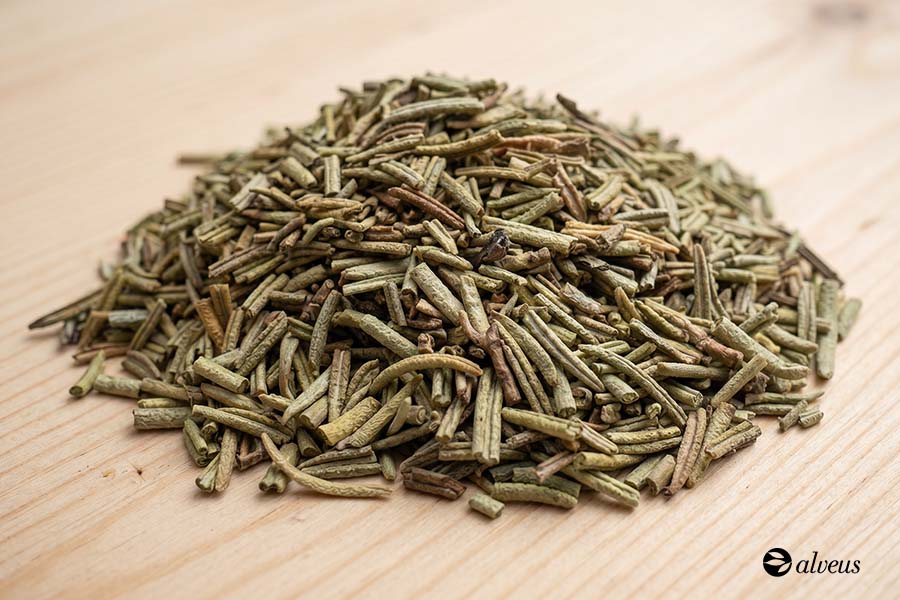
Organic Alveus rosemary, reference 50087
Rosemary is naturally associated with savoury cooking. It pairs well with fats, proteins, dough-based dishes and strongly flavoured vegetables.
Its aromatic intensity enhances the flavour of many ingredients, provided it is used in the right quantity to maintain the overall balance.
Rosemary with meat, poultry and fish
One of the best-known uses of rosemary is in roasted meats. It pairs particularly well with lamb, pork, chicken, rabbit and game. Its resinous profile helps to balance rich dishes and complements marinades made with olive oil, garlic, wine, lemon or pepper very well.
In the catering industry, it can be used in dry rubs, flavoured oils, compound butters or barbecue rubs. Sprigs can also be added during roasting to impart flavour without leaving too many bits on the plate.
With fish, it is best used in moderation. It works best with oily fish or those with a strong flavour, such as salmon, tuna or oven-baked dishes with lemon and olive oil. With delicate white fish, too much can overpower the dish.

Rosemary with vegetables, potatoes, and pulses
Rosemary goes very well with roasted vegetables. Potatoes, sweet potatoes, carrots, courgettes, aubergines, onions, tomatoes, and mushrooms all take on their aroma very well.
In vegetable dishes, a small amount of dried rosemary transforms them into dishes with a Mediterranean flavour. It works well in vegetable soups, gratins, stir-fries, stuffed vegetables, marinated vegetables and tinned vegetables.
It can also be used with pulses, particularly in stewed lentils, beans, and chickpeas. In these cases, it goes well with bay leaves, garlic, paprika, thyme and black pepper.
Rosemary in breads, focaccia, and other bakery products
Rosemary is a classic ingredient in aromatic breads and focaccia. Its aroma blends very well with doughs containing olive oil, flaked salt, olives, sun-dried tomatoes, cheese, or onion.
For bakeries and gourmet brands, rosemary allows for the creation of products with an obvious positioning, such as Mediterranean breads, savoury crackers, breadsticks, rusks, pizza bases, baked snacks or bread-making mixes.
It is used less frequently in confectionery, but can add an interesting note to biscuits, citrus sponge cakes, and doughs containing lemon, honey or orange. The key is to use it sparingly, as its aromatic profile is more dominant than that of other herbs.
Rosemary as an ingredient in tea blends and herbal teas
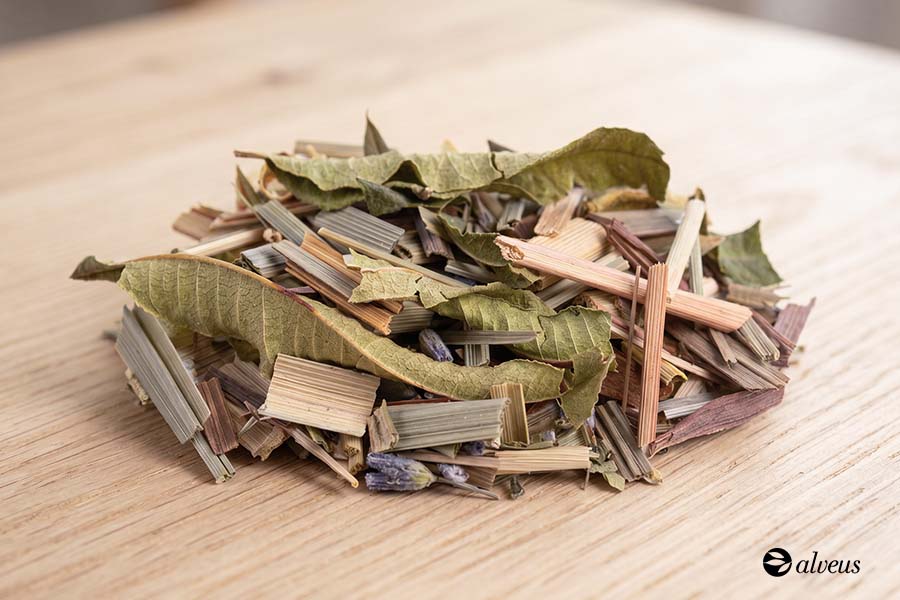
Amour Provence ORGANIC herbal tea, Alveus product code 82510
As well as being used as a culinary herb, rosemary plays a very interesting role in the world of herbal teas. In tea blends and herbal teas, it adds a herbal, fresh, balsamic and slightly resinous note.
It is not usually used as a main ingredient in large quantities, except in very specific formulations.
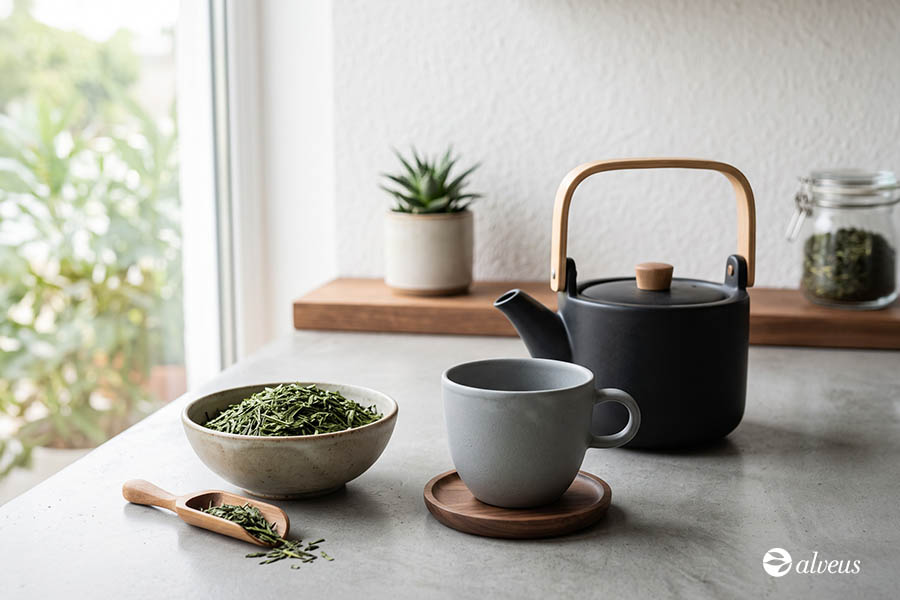
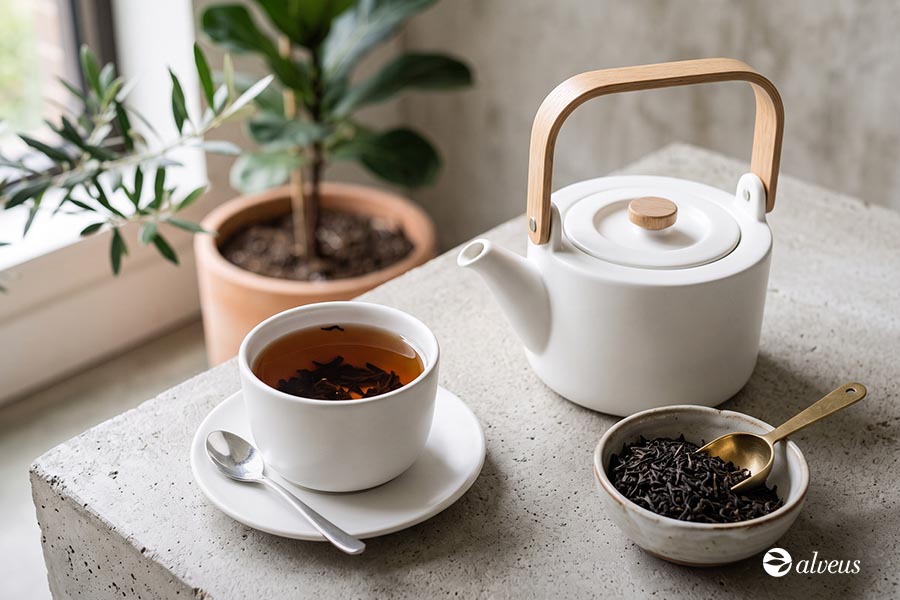
In herbal teas, it pairs well with citrus ingredients such as lemon or orange peel, with fresh herbs such as mint or lemon verbena, and with flowers such as lavender or camomile when a milder aromatic profile is desired. It can also work well with rooibos, green tea or black tea in blends with complex and sophisticated flavours, particularly when paired with lemon, warming spices (such as ginger, cinnamon, cardamom, or liquorice) or fruit.
For tea brands, rosemary allows for the creation of blends with a distinct character compared to sweeter or more floral infusions. It can feature in Mediterranean-inspired blends, after-dinner herbal teas, citrus blends or offerings for consumers seeking less conventional herbal flavours.
Discover all our teas and herbal teas that use rosemary as an ingredient here.
Benefits of rosemary herbal tea
One of the best-known uses of rosemary herbal tea is drinking it after meals. In European herbal tradition, rosemary has been used to aid digestion after heavy meals and to relieve mild digestive discomfort.
Its traditional use has also been linked to the circulatory system and as a remedy for joint pain.
Furthermore, thanks to its aromatic qualities, rosemary provides a soothing and comforting sensation. This is why it is an ideal ingredient for herbal teas designed for the coldest days.
Precautions for consumption
As with any aromatic plant, rosemary herbal tea should be consumed in moderation. It is not recommended to drink infusions in excess or to use them as a substitute for medical treatment.
If you are pregnant, breastfeeding, have liver or gallbladder problems, are allergic to rosemary or are taking medication, you should consult a healthcare professional before consuming it regularly.